Winter settles early in Finland. Snow drifts across roads and fields, covering the ground in a thick white layer that stays for months. Days grow short, with the sun rising late and setting early, sometimes leaving only a faint glow in the sky before darkness returns. These long nights shape the pace of December. Finnish families respond to the darkness by filling their homes with light, warmth, and steady traditions that guide them through the season.
As December begins, homes across Finland start preparing for Christmas in simple, peaceful ways. People place candles or small lamps in windows so the warm glow shines into the snow-covered streets. Children open the first doors of their Advent calendars. Parents plan meals and gatherings for the days ahead. Even the coldest towns begin to feel warm inside as families settle into routines that have been part of Finnish life for generations.
The month is shaped by quiet evenings indoors, warm kitchens, and small traditions that give December a steady rhythm. In Finland, Christmas is not a single event. It’s a long stretch of winter comfort, built slowly one day at a time.
December Customs That Bring the Season to Life
Inside the home, the weeks before Christmas feel full even when the activities are simple. Baking begins early. Finnish kitchens fill with the smells of ginger cookies, cinnamon, butter, and sweet dough. Families prepare traditional pastries and small breads, some shaped especially for the season. Children roll dough, cut out shapes, and decorate cookies with sugar. Parents teach them recipes passed down from older generations. Warm baking becomes one of the first signs of Christmas arriving.
One of the most meaningful parts of Finnish December is the sauna. The sauna is common across the country, but during Christmas it takes on an even deeper place in family life. Families clean it carefully, heat it early, and take their time inside. The Christmas sauna is one of the oldest traditions in Finland. It gives everyone a chance to slow down, relax, and prepare for the holiday in a fresh and peaceful way. Many families cannot imagine Christmas without it.
Homes decorate with natural materials. Pine branches, handmade straw ornaments, wooden figures, and small candles are placed around living areas. Nothing feels crowded or flashy. Finnish Christmas decorations often reflect the landscape outside, and the winter setting becomes part of the holiday feeling. Some families place wheat sheafs outdoors for birds, giving wildlife food during the cold season.
Children bring home crafts from school. These small decorations become part of the family tradition and appear year after year. The soft glow of candlelight and the smell of baking fill many homes, giving December a warm and inviting feeling.
During the early days of the month, many towns host small winter markets. People walk through snowy paths, look at handmade items, drink warm beverages, and enjoy the quiet December atmosphere. These markets help bring the community together, even when the air is cold enough to turn your breath into fog.
St. Lucia Day and the Light in the Darkness
On December 13, Finland observes St. Lucia Day, a tradition that brings a gentle glow into the darkest part of winter. Schools hold small processions. One child dresses in a white gown with a wreath of lights on her head, representing Lucia. Other children, also dressed in white, walk behind her while singing songs about light and hope. The glow from the candles reflects off the walls, creating a soft, memorable moment.
At home, families may enjoy saffron buns baked especially for this day. These bright yellow buns, shaped in gentle curves, add color to the winter table. St. Lucia Day is not loud or busy. Instead, it is simple and calm, fitting perfectly into the quiet Finnish winter.
After St. Lucia Day passes, families feel the pace of Christmas picking up. School begins to wind down for the year. Children start their holiday break. Adults finish shopping, wrap gifts, and prepare for the holiday meals ahead. Even though the darkness continues, the homes feel brighter each day.
Lapland, Reindeer Life, and Northern Traditions
Finland stands apart from every other country in your series because of Lapland. This northern region is known for deep snow, quiet forests, and long winter nights. Many families in Lapland have roots in reindeer herding, and these traditions remain central to the region’s identity. Even outside Lapland, Finnish families enjoy hearing stories connected to the far north.
Children learn childhood tales about Korvatunturi, a mountain in Lapland said to be the home of Joulupukki, the Finnish Christmas figure. Joulupukki is a friendly figure who brings gifts and travels with reindeer, but he is not hidden or mysterious. He is described as living in the snowy north, surrounded by forests and animals familiar to Finnish children. These stories feel more real because they are tied to an actual place in their own country.
Reindeer also appear in decorations and crafts across Finland. At winter markets, families see wooden reindeer carvings, small ornaments, and woven decorations inspired by Lapland traditions. Even families who live far south feel connected to the northern part of Finland through these simple but powerful symbols.
Older relatives may tell stories about long winter journeys years ago, when families would travel through snow-covered forests to visit neighbors or attend church. These memories weave into the season and help children understand the deep history behind Finnish Christmas customs.
Christmas Peace and the Start of Christmas Eve
Christmas Eve is the center of the holiday in Finland, and it begins with a unique national tradition: the Declaration of Christmas Peace. At midday on December 24, the city of Turku reads a short message inviting everyone in the country to enjoy Christmas with calm and good behavior. The message is broadcast on television and radio, and many families pause to listen. The declaration marks the beginning of Christmas Eve in a simple but powerful way. Once it is read, the season feels officially open.
After the declaration, families return to their homes and prepare for the most meaningful hours of the season. The Christmas sauna often takes place earlier in the day. Families visit the sauna, clean up, and dress in fresh clothes for the evening ahead. This custom creates a peaceful transition from the busy days before Christmas to the calm celebration of the holiday itself.
Christmas Eve in Finnish Homes
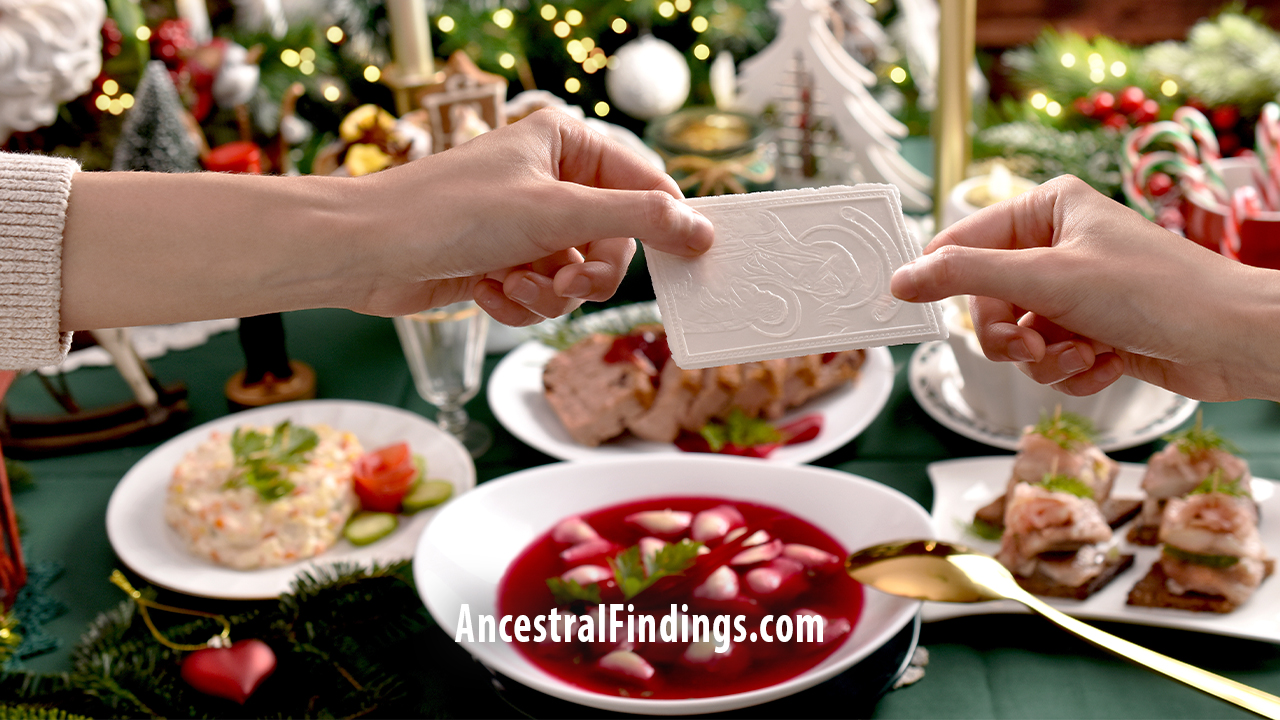
The Christmas Eve meal is rich, warm, and comforting. Families spend hours preparing for it. The centerpiece in many homes is a slow-cooked Christmas ham. The smell drifts through the house all day. Alongside the ham are casseroles made from potatoes, carrots, and rutabaga. Beet salads, breads, and other seasonal foods fill the table.
Families sit together in the warm glow of candles while snow settles outside. The meal is long and enjoyed slowly. It is one of the most cherished moments of the entire season. Children appreciate the food but look forward the most to what comes next.
Gift giving takes place on Christmas Eve. After dinner, families move to the living room, where the Christmas tree glows with soft lights. Children wait patiently as adults prepare the space. In many homes, Joulupukki visits. Someone knocks on the door wearing a simple costume and enters with gifts. Children greet him with excitement, even if they know it is a relative. The visit makes the evening feel special.
Once gifts are opened, the night continues at an easy pace. Families play games, talk, listen to music, or simply enjoy the comfort of being together indoors. Candles flicker in the windows, making the home feel warm and sheltered from the dark, cold outside.
Christmas Day and the Days That Follow
Christmas Day in Finland is calm and restful. Families sleep in, enjoy breakfast together, and take their time starting the day. Children play with new toys or read new books. Adults fix simple meals and enjoy long stretches of quiet.
Some families attend church. Others take winter walks, enjoying the snow-covered fields and forests. Even towns feel peaceful on Christmas Day. Streets are quiet, and many shops remain closed. The country seems to pause after the energy of Christmas Eve.
The days between Christmas and New Year stay relaxed. Schools remain closed, and workplaces slow down. Families spend time indoors or take short trips to visit relatives. Children go sledding or build snow shelters in the yard. Indoors, families watch movies, enjoy leftovers, and stay warm near the windows while the winter continues outside.
New Year’s Eve brings more excitement. Families prepare food, enjoy fireworks, and celebrate the coming year. Children stay up late and watch colorful lights shine in the winter sky. New Year’s Day, like Christmas Day, is slow and easy.
The full Christmas season continues until early January, when families take down decorations and return to their everyday routines. Even as the lights come down, the season’s best moments stay fresh in everyone’s memory.
Family History and Finnish Traditions
People exploring their family history may discover that Finnish ancestors passed many of these customs down through the generations. Some brought recipes. Some kept the Christmas sauna tradition. Others passed down the practice of making Christmas Eve the center of the holiday. These habits settled into new homes and became part of family life far from Finland.
Christmas in Finland remains steady, warm, and shaped by winter. Each tradition, from the sauna to the Christmas Eve meal, helps families enjoy the season together. The soft glow of candles, snowy roads outside, and calm evenings indoors create a holiday that feels both peaceful and deeply rooted in home life.