Christmas in France has deep roots. Families across the country kept customs that began centuries ago, and many of those customs still shape the holiday today. The season grows slowly from late November through early January. People decorate their homes, visit outdoor markets, attend church events, prepare special meals, and spend time with their loved ones. Each part of France adds its own touch. Some regions hold on to older customs. Others mix older habits with new ones. Together, these pieces form a season that has become an important part of French life.
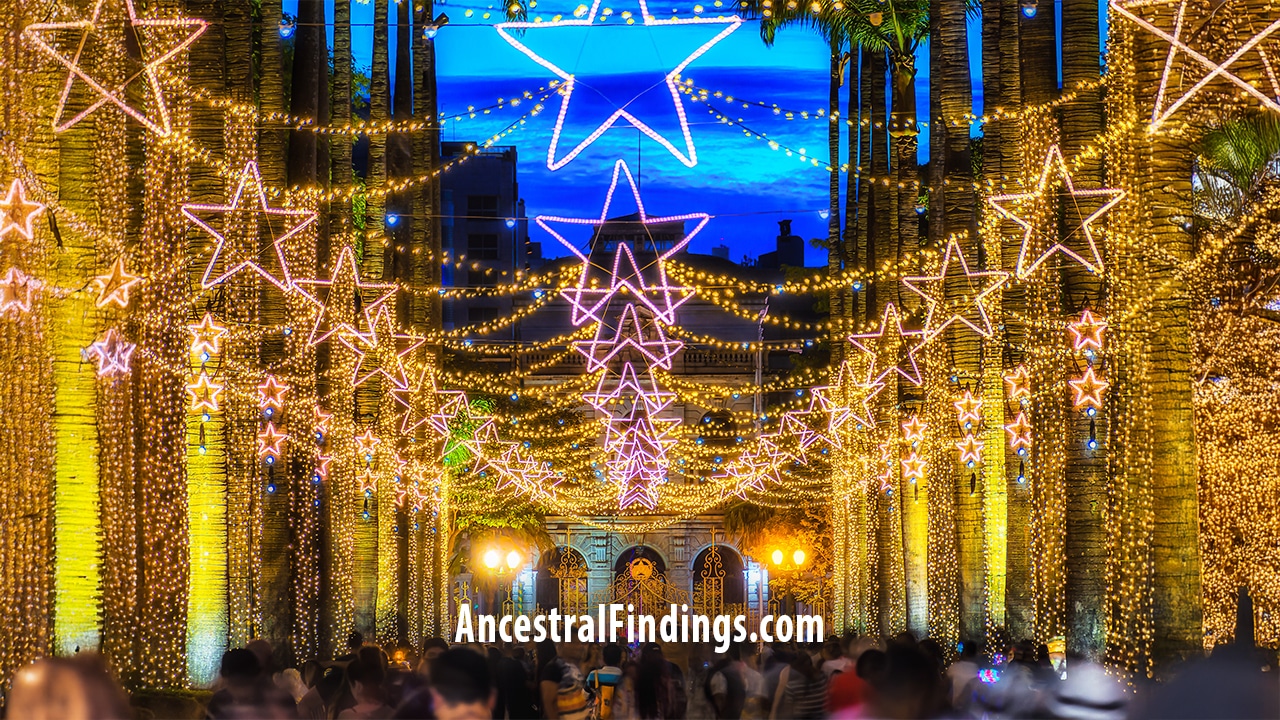
The feeling of the season begins during Advent. Towns decorate streets with lights. Homes bring out small displays and decorations passed down through the years. Outdoor markets open in many regions, giving people places to walk, shop, and enjoy food made for the colder months. Children take part in simple activities like opening Advent calendars with small treats inside. Parents prepare for the coming weeks by planning meals, visiting shops, and gathering ingredients that appear only during this time of year.
Advent gives the season a slow start. People take their time. Families look forward to the days ahead. The weather cools, and the streets become brighter. Church bells mark the weeks as they pass. The steps toward Christmas are steady, and each one leads the country toward the most important evening of the season.
The Markets and Traditions of Advent
Outdoor markets are one of the strongest parts of Christmas in France. Strasbourg is well known for having one of the oldest Christmas markets in all of Europe. Its market spreads through the center of the city, filling the streets with stalls, lights, warm drinks, baked goods, small handmade gifts, and decorations. Families travel from other regions just to visit these markets. Children enjoy the small toys and sweets that appear at the stalls. Adults search for gifts that show the skill of the local craftsmen.
Other towns across France also host outdoor markets. Each one reflects the region that built it. Markets in the east show German influence. Markets in the south blend church customs with local food traditions. Markets in the north are shaped by older winter habits that reached the region long before modern times. No matter where they are, these markets bring families together and set the tone for the entire season.
Homes prepare for Advent in simple ways. Some families place a wreath of candles on the table. Each week, a new candle is lit. Others place small decorations near doors and windows. Children enjoy the countdown to Christmas with calendars that hold chocolates or tiny toys. Churches often set up nativity displays. In Provence, these displays include many clay figures that show daily life. Bakers, shepherds, fishermen, and villagers all gather near the manger. This style of display is well loved in the region and continues year after year.
These early customs build the first part of the season. They are not rushed. People enjoy them steadily as December unfolds. As Christmas Eve gets closer, families shift their attention toward the meal that will take place that night.
Christmas Eve and the Long Evening Meal
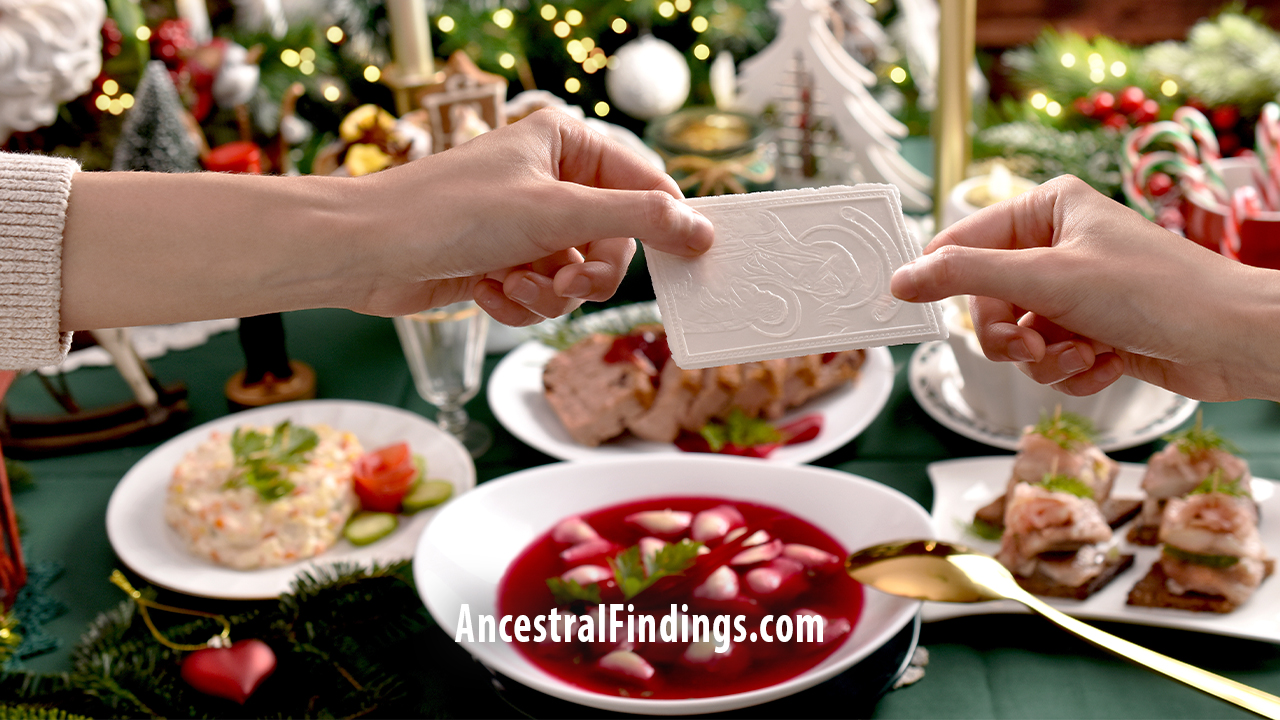
Christmas Eve is the most important evening of the season in many parts of France. The meal served that night is called le Réveillon. Families gather at the table for hours. The meal often begins late in the evening and may continue past midnight. Each region of France has its own dishes that appear on this night. Some families enjoy roasted meats. Others prepare seafood. Some serve soups, breads, vegetables, and salads that come from recipes passed down through generations.
The meal is more than food. It is a time for families to talk, share stories, and enjoy being together. Children sit at the table longer than usual because they want to be part of the night. Adults slow down and take time to talk with relatives they may not see often. The meal brings everyone together, and the hours pass without any rush.
Desserts hold a special place during this meal. The most common is the bûche de Noël. This cake is rolled, covered with frosting, and shaped to resemble a small log. It honors an older custom from a time when families lit a large wooden log in the fireplace on Christmas Eve. As homes changed and fewer families relied on large fireplaces, the custom changed, and the cake became part of the holiday instead. Children enjoy seeing it on the table, and families often have their own ways of decorating it.
Some homes end the meal early to attend Midnight Mass. Others attend Mass first and then continue the meal afterward. Both patterns are common across France. Midnight Mass fills churches with candles and hymns. Families gather to hear the message of Christmas before returning home. Children place their shoes near the tree, a custom that has been part of the holiday for a long time. Small gifts or treats may be placed inside or beside these shoes before morning.
There is also a long-held custom in the south of France known for its strong connection to the Christmas Eve meal. Families in Provence serve thirteen small desserts after the main meal. These desserts typically include dried fruits, nuts, nougat, sweet breads, and pastries. Each family prepares its own mix, shaped by local recipes. The desserts are simple, but the custom brings people together and remains a defining part of Christmas in that region.
Christmas Day and the Peaceful Days That Follow
Christmas Day in France is calm. The rush of preparation is over. Families remain at home, talk with one another, eat leftovers or new dishes prepared that morning, and enjoy the slow pace after the long night. Children open their gifts and spend the day playing. Adults rest from the late meal and enjoy quiet time with relatives. Some families stay indoors all day. Others visit friends or extended family. The mood stays gentle and relaxed.
This calm tone carries through the final days of December and into the New Year. Some towns continue their markets. Others hold small events for families. Churches remain open for people who want to visit during the week. Many bakeries continue to sell items special to the season. Shops offer winter foods that remain tied to Christmas traditions.
The season does not end on Christmas Day. In France, Epiphany holds an important place. It arrives in early January. Families celebrate with a pastry called the galette des rois. Inside this pastry is a small charm. When the pastry is sliced and shared, the person who finds the charm becomes the king or queen of the day and wears a paper crown. Children enjoy this moment. For many families, the pastry marks one more happy occasion before the season ends.
Some regions also continue older customs. In the north, especially in areas near Belgium and Luxembourg, St. Nicholas Day appears in early December. Children may receive small treats or gifts as part of this early celebration. In Alsace, Christmas markets reflect older customs shaped by both French and German history. In Brittany, families bring coastal traditions into the season. In Provence, the clay figures used in nativity scenes remain one of the strongest markers of the holiday.
Food, Family, and the Heart of the Season
Food is one of the most cherished parts of Christmas in France. Many recipes are passed down through several generations. Families enjoy preparing them because they link the present to the past. A grandmother may teach children how to fold dough for a holiday pastry. A parent might make a dish learned from their own childhood. These foods bring everyone together and give the season a sense of comfort.
Community life also plays a strong role. Small bakeries prepare items only available in December and early January. Butchers, cheese shops, and markets offer foods meant for Christmas Eve and Christmas Day. Neighborhoods host concerts, gatherings, and events for families to enjoy. Villages decorate streets with lights and ornaments. Even large cities slow down enough to give people a chance to enjoy a steady walk through the markets or along streets filled with lights.
Christmas in France is carried by small, simple moments. A family walking through a market at dusk. A church filled with candlelight at midnight. Children placing their shoes by the tree. A long Christmas Eve meal shared by several generations. A warm pastry on a cold January morning during Epiphany. These moments shape the holiday as much as the larger customs do.
People exploring their family history often find that ancestors from France carried some of these customs with them when they moved to new countries. Some brought the Christmas Eve meal. Others brought recipes or pastries tied to their region. Others carried small habits linked to Advent or Epiphany. These customs settled into new homes and became part of family life far beyond France.
Christmas in France continues to be shaped by home life, church traditions, meals, community events, and older customs that have stood the test of time. The season builds during Advent, reaches its peak on Christmas Eve, becomes peaceful on Christmas Day, and ends on Epiphany. Families follow these customs because they provide structure, comfort, and connection to earlier generations. The season encourages people to gather, share meals, and enjoy the winter alongside the people closest to them.