Welcome back to the Christmas traditions series. Today, we’re looking at Christmas in Brazil.
In Brazil, Christmas often starts late. The house is full, the table is covered, and people are still arriving long after the sun has gone down. Outside, the air is warm because it is summer. Inside, the kitchen has been busy for hours. Someone checks the clock, not because the day is rushed, but because the meal is usually timed to build toward midnight.
This is one of the easiest ways to understand Christmas in Brazil. It is a holiday built for togetherness at night. It is centered on a long Christmas Eve meal, a late exchange of gifts in many homes, and church worship for those who attend Mass. The setting is summer, but the meaning for Christians is still tied to the birth of Jesus Christ.
Brazil’s Christmas traditions did not grow out of Spain. They grew mainly from Portugal. Portugal claimed Brazil in the early 1500s, and over the next centuries, Catholic Christianity spread across the colony through churches, missions, and parish life. Towns formed around churches. Religious holidays were placed on the calendar and taught through worship, sermons, and community practice. Christmas became one of the most important seasons because it proclaimed the Nativity, the birth of Christ.
In the earliest colonial period, Christmas in Brazil would have looked different from modern celebrations. Life was harder, travel was slower, and communities were smaller. Even so, the church calendar shaped public life. Priests led services, Scripture was read, and worship followed the Catholic pattern that settlers brought from Portugal. Over time, as cities grew and rural communities became more established, Christmas became a season where church worship and family life joined together.
Brazil is a large country, and Christmas can look different from place to place. The climate changes across regions. Coastal cities often have a strong public side to the season, with decorations and crowds. Smaller towns may feel more centered on parish life and family gatherings. In the far south, where many immigrants settled in later centuries, Christmas foods and customs can carry traces of German and Italian influence. In the northeast and north, Christmas can blend with strong local community traditions and outdoor gatherings.
Even with regional differences, one pattern shows up again and again. Christmas builds toward Christmas Eve.
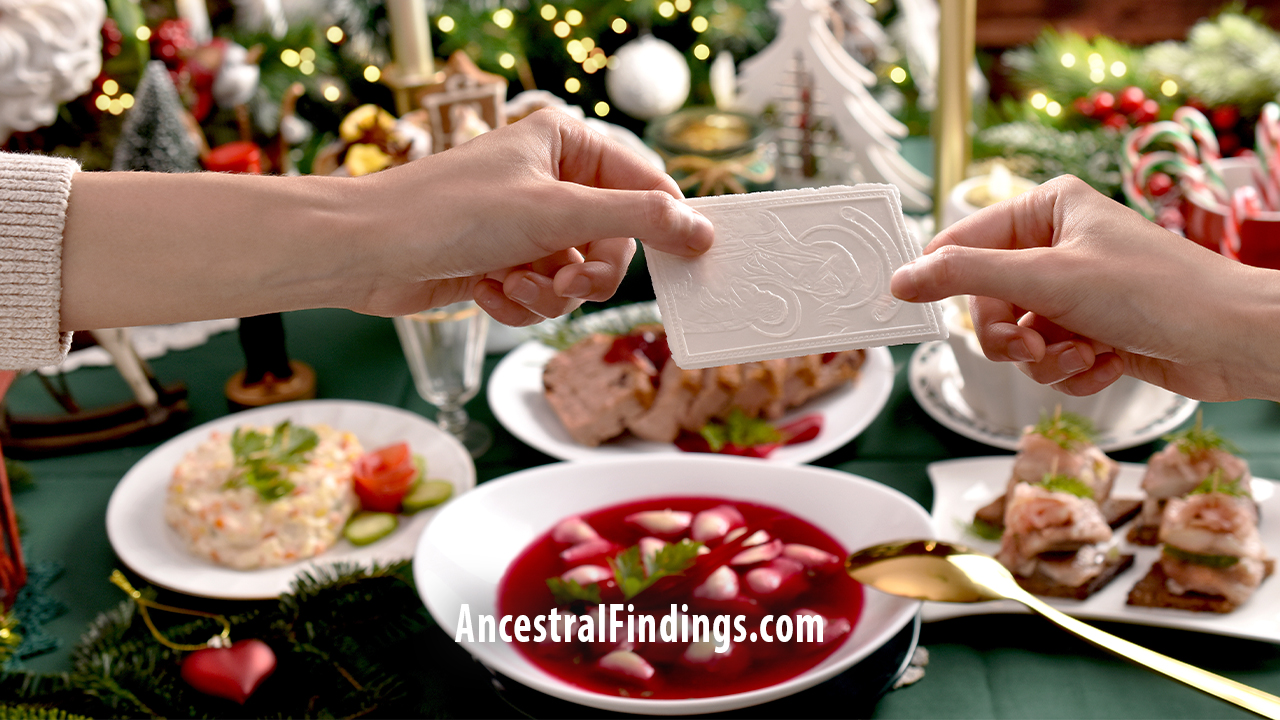
For many Brazilian families, Christmas Eve is the main celebration. The central meal is often called the Ceia de Natal. It is usually served late, often around 9:00 PM, 10:00 PM, or even later depending on the family. The meal is not meant to be quick. People talk, laugh, eat slowly, and stay together. Children try to stay awake. Adults linger at the table. In many homes, the feeling is that Christmas arrives as the night deepens.
Food matters a great deal during this meal, and the menu often reflects both Portuguese roots and local taste. Many families serve roast turkey or pork, along with rice dishes, farofa, salads, and breads. Some homes include codfish dishes that connect back to Portuguese cooking. Desserts can include rabanada, which is similar to French toast, panettone, puddings, and sweets made for the season. Because it is summer, many households also include colder dishes, fresh fruit, and drinks meant to cool people down.
The Christmas table becomes a picture of Brazil itself. It can hold European roots, local ingredients, and family habits that have grown over time. Some households keep a very traditional menu. Others treat the meal as a family signature, making what everyone loves rather than following a strict pattern. What stays constant is the idea that Christmas is marked with a meal meant to be shared.
After the meal, many families exchange gifts. In some homes, gifts are opened at midnight. In others, they are opened earlier in the evening or on Christmas morning, especially when small children are involved. The timing depends on family preference and on church attendance. When a family plans to attend a late Mass, gifts may happen before they leave or after they return. In homes that stay up late, opening gifts at midnight becomes part of the night’s excitement.
Brazil also has a gift tradition that helps large families and large groups manage the season. It is called Amigo Secreto, which means secret friend. A group draws names, and each person gives a gift to the one person they drew. This tradition is common in families, friend groups, and workplaces. It reduces the cost of buying gifts for everyone, and it adds suspense because people guess who drew their name. In many groups, the reveal becomes a moment of laughter and teasing, and it becomes its own event during the Christmas season.
Alongside meals and gifts, many Christians in Brazil attend Christmas Eve Mass. A Christmas night Mass is often called Missa do Galo. The name connects to a traditional idea that a rooster announces the coming of a new day. Churches may hold the Mass at midnight, or they may schedule it earlier depending on the local parish and the needs of families. The service itself is focused on the Nativity. Scripture readings tell the story of Christ’s birth. Prayers and songs center on the coming of the Savior. For churchgoing families, this is not a background activity. It is a clear statement that Christmas is about Jesus Christ.
Another strong part of Brazilian Christmas is the Nativity scene, often called a presépio. Many families set up a presépio at home, and churches often set up larger ones. The figures of Mary, Joseph, and the baby Jesus are placed together, sometimes with shepherds, angels, and the wise men. In some homes, the scene is arranged early in December, and certain figures may be added later as the season approaches Christmas. Children often grow up seeing the presépio every year, and it becomes one of the most direct ways the Nativity story is kept visible in the home.
Brazil also uses Christmas trees, lights, and the figure of Santa Claus, known as Papai Noel. These elements are common in public spaces, stores, and homes. In a summer country, Santa’s winter clothing looks strange, but the image remains popular. In many Christian homes, these decorations exist beside the presépio rather than replacing it. The tree and lights may set the mood of celebration, while the Nativity scene keeps the meaning clear.
Churches and communities also prepare through Advent. Some parishes hold special services and gatherings in the weeks leading up to Christmas. Choirs practice. Children rehearse for plays. Some churches put on Nativity reenactments, and in some areas, groups perform songs and presentations connected to the Christmas story. These activities help teach children the meaning of the season in a simple and memorable way.
Brazil’s history also includes the long and painful reality of slavery, and the lasting presence of African heritage in Brazilian life. That history shaped music, community life, and cultural traditions across the country. Christmas, as a widely celebrated season, was observed by people from many backgrounds and in many social conditions. In some places, church worship was central. In other places, Christmas customs in the home and neighborhood carried more weight. Over time, Christmas became a shared national season, even though the way people experienced it could vary greatly depending on region, wealth, and local church life.
As Brazil grew into the modern era, Christmas expanded in public life. Cities began building large decorations and lighting displays. Stores began pushing Christmas shopping earlier. Workplaces created end of year parties. The public side of Christmas grew, especially in major cities where commerce drives the season. Even so, the private center often remained the same, a late Christmas Eve meal, family gathering, and worship for those who attend church.
Because Christmas is in summer, outdoor life shapes the season in ways that stand out. Families may gather on patios or in yards. They may cook outside. Some travel to beaches or to visit relatives in other regions during the holiday period. Warm nights make it easier for people to stay up late, and that fits naturally with the Christmas Eve focus. In some homes, Christmas feels like a long evening that gradually becomes Christmas Day.
Christmas Day, December 25, often has a different pace than Christmas Eve. Many families sleep later because of the late night. Some attend church services on Christmas Day. Others stay home and spend time with relatives who are still visiting. Meals on Christmas Day may involve leftovers from the night before, or a smaller lunch, or another gathering depending on family plans. In many households, Christmas Day is quieter than Christmas Eve, more about rest and family time than about major events.
Brazil’s holiday season also sits close to New Year’s, which is a massive public celebration in many places. In some cities, New Year’s draws huge crowds, fireworks, and major public gatherings, especially near the coast. Because of this, the end of the year can feel like a long stretch of celebration. Christmas may be the family and church centered moment, and New Year’s may be the large public event. Many families treat the whole period as a time for travel, visits, and community life.
Regional differences add more detail to Brazil’s Christmas story. In the south, where many communities have European immigrant roots, some families keep foods and customs that reflect German or Italian heritage alongside Brazilian customs. In the northeast, Christmas can include strong neighborhood gatherings and church events, with local music and community meals. In the Amazon region, Christmas is shaped by climate and geography, with long travel routes and local community life playing a big role. Brazil’s size makes it impossible for Christmas to look identical everywhere, but the shared themes remain recognizable.
In modern Brazil, Christmas is observed by people with many levels of religious practice. For committed Christians, the center is clear, Christ was born, and the Nativity is celebrated through worship, Scripture, and prayer. For others, Christmas is more cultural, centered on family meals, gift exchanges, and gatherings. Many households combine both, attending church while also embracing the broader seasonal customs.
What keeps Brazil distinct in a Christmas traditions series is the combination of summer life, Portuguese Catholic roots, and the practical traditions that grew out of large families and large communities. The Ceia de Natal shapes the night. Missa do Galo keeps the Nativity at the center for worshipers. The presépio places the birth of Christ in the home. Amigo Secreto makes gift giving workable and social. These are not copies of Spain or Mexico. They have their own Brazilian shape.
Christmas in Brazil can be joyful and loud, filled with music and conversation, and it can also be quiet and reverent inside a church as Scripture is read and the story of Jesus’ birth is told again. It can be a crowded table at 11:30 PM, and it can be a late walk home after Mass under warm night air. It can be a child staying awake to open gifts, and it can be grandparents sitting back while the family fills the house with life.
The summer heat changes the setting, but it does not change the message Christians celebrate. In churches across Brazil, the story is still the same. Christ was born. The Nativity is read. Carols and hymns carry the message. Families gather, and for many, worship remains the center.
Christmas in Brazil is a long night, a full house, a shared table, and for many believers, a clear act of worship tied to the birth of Jesus Christ.