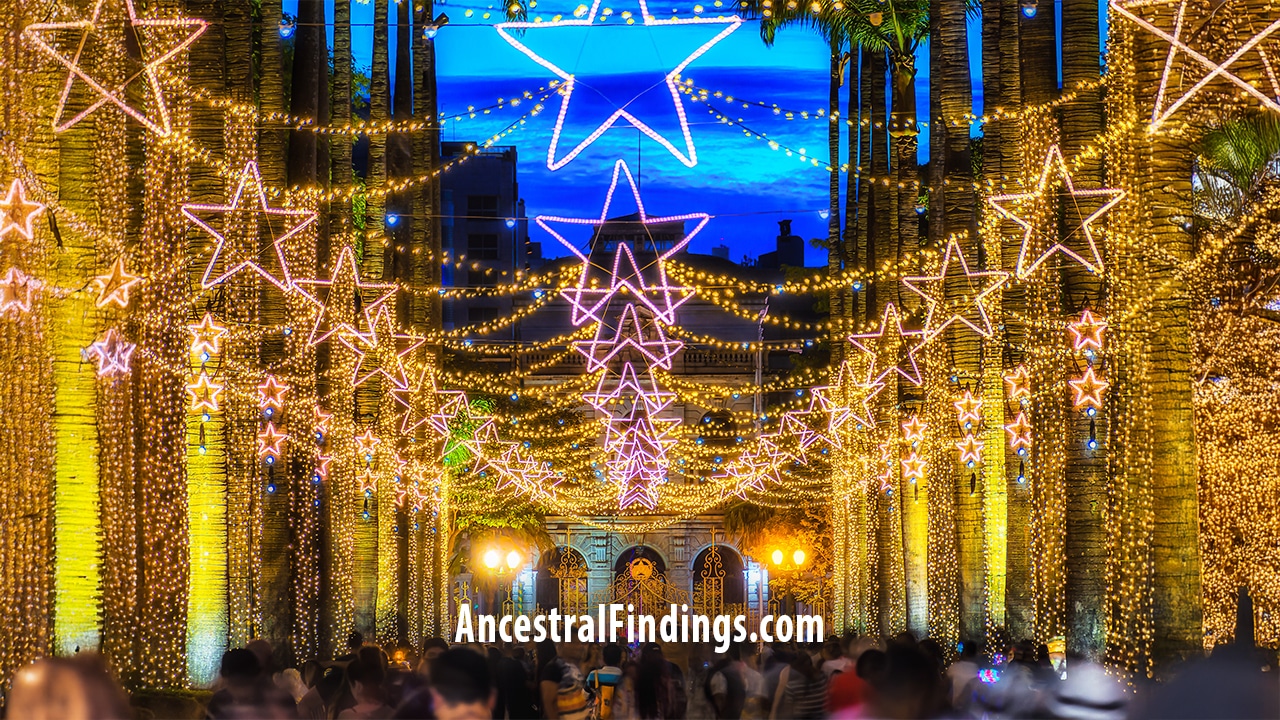
Christmas in Germany has a rich history and a special significance that helped shape many of the holiday traditions we cherish today. From the warm glow of Advent wreaths on chilly winter evenings to the delightful smells of bustling markets and the gentle presence of Christkind, these traditions mirror centuries of Christian faith, regional pride, and storytelling. Many of the images we now associate with ‘classic Christmas’ in America and around the world actually originated in German homes long before they made their way across the Atlantic through eager immigrant families.
For those researching family history, these customs can be especially meaningful. The German-speaking world isn’t just one culture; it’s a tapestry of regions, each with its own traditions, dialects, and gift-bringers. Whether an ancestor hailed from Bavaria, the Rhineland, Saxony, or one of the historic kingdoms or principalities, their Christmas practices can offer wonderful clues about where they lived, what they believed, and how they celebrated the Nativity.
Germany’s Christmas traditions didn’t develop all at once. Instead, they grew over centuries through Christian worship, household customs, artistic craftsmanship, and local practices. In this article, we’ll take a closer look at these cherished traditions, paying special attention to the Nativity story, the beloved gift-bringers who visit German homes, the significance of Advent, and the treasures of genealogical insight tucked into these unique cultural details.
Advent: The Heart of the German Christmas Season
While Christmas Eve and Christmas Day hold special meaning, the German holiday season begins with Advent. For many German families, Advent is not merely a countdown; it is a spiritual preparation. Churches light candles, choirs sing seasonal hymns, and families gather around Advent wreaths. Each candle symbolizes a step toward the celebration of Christ’s birth.
Advent Wreaths (Adventskranz)
The Advent wreath, now common worldwide, began in German homes in the 19th century. Its four candles, often arranged around evergreen branches, reflect hope and anticipation. Some regions also light a fifth candle on Christmas Eve.
Advent Calendars
Paper calendars with small windows originated in Germany and spread worldwide through German printing houses. Before the printed versions, families marked the days with chalk lines or small devotional prayers. By the early 20th century, Advent calendars had become a cherished part of German childhood, and immigrants carried them to new countries.
Advent Music and Worship
Hymns such as “Es ist ein Ros entsprungen” and “Wachet auf, ruft uns die Stimme” remain central to German Advent worship. For genealogists, hymn traditions can indicate denominational ties — Lutheran, Catholic, or Reformed — and sometimes reveal the region where a family lived.
The Nativity Story in German Christian Life
German Christmas is deeply connected to the biblical story. Churches across the country hold Advent and Christmas services that recount the birth of Christ through Scripture readings, homilies, and music.
Cribs and Nativity Scenes (Krippen)
Nativity scenes vary widely across German regions. Bavarian cribs are often intricate, carved in great detail, and passed down as heirlooms. In other regions, cribs include village scenes or local architecture. The presence of such items in family collections can reveal regional origins and even local craft traditions.
Christmas Eve Worship (Heiligabend)
Christmas Eve is the central religious moment for many German families. Churches hold services that include Scripture readings from Luke, candlelight hymns, and children’s programs presenting the Nativity story. Families returning from church often begin their Christmas celebrations at home.
The Influence on German Immigrants
German immigrants to the United States and elsewhere brought these devotional rhythms with them. In many families, Christmas Eve remains the primary celebration, with gift-giving taking place after the evening service. This practice is often a strong genealogical indicator of German heritage.
Christkind and Weihnachtsmann: Germany’s Gift-Givers
Germany has multiple gift-bringers, each with its own history and regional importance.
Christkind (The Christ Child)
In many parts of southern and western Germany, the Christkind brings gifts on Christmas Eve. Often depicted as an angelic figure, the Christkind was popularized in Protestant regions during the Reformation as an alternative to Saint Nicholas. This figure eventually became part of Christmas culture for both Protestant and Catholic families in many areas.
Weihnachtsmann (The Christmas Man)
In northern and eastern Germany, the Weihnachtsmann — similar in appearance to the American Santa Claus — brings gifts. He rose to prominence in the 19th and 20th centuries and became especially common in regions influenced by Prussian culture. His appearance varies, but he is usually shown as a winter figure dressed in red or brown.
Saint Nicholas (Sankt Nikolaus)
On December 6, Saint Nicholas visits children, leaving treats in their shoes. This custom remains strong throughout Germany. Saint Nicholas is usually portrayed as a bishop carrying a staff, emphasizing his roots in early Christian tradition. Children often write letters to him, and families continue the tradition even if they also celebrate Christmas Eve gift-giving.
Knecht Ruprecht and Schmutzli
In some regions, Saint Nicholas travels with a companion who assists him. Knecht Ruprecht may ask children about their prayers or catechism. These figures vary widely — gentle in some traditions, stern in others — making them an interesting genealogical marker.
Christmas Markets (Weihnachtsmärkte)
Germany’s Christmas markets are among the most recognizable holiday traditions worldwide. These outdoor markets began in the Middle Ages and became an important part of communal life. Each town’s market reflects regional foods, crafts, and customs.
Craftsmanship and Regional Identity
Woodcarving centers such as the Erzgebirge region are known for nutcrackers, incense smokers, pyramids, and candle arches. These items often appear in family collections and can indicate ancestral regions.
Food Traditions
Market foods — roasted nuts, sausages, gingerbread, mulled wine (Glühwein), and marzipan — reflect centuries of culinary practice. Many families continue these foods in their holiday traditions, offering hints about their heritage.
A Communal Tradition
For many Germans, the Christmas market is not only a place to shop but a place to gather. The sights, sounds, and smells create a setting that has remained consistent for centuries.
Christmas Eve and Christmas Day
Christmas Eve (Heiligabend)
German families often decorate their tree on Christmas Eve. After church services, families gather to exchange gifts, sing carols, and share a meal. This evening is quiet, reflective, and centered on family.
Christmas Day (Erster Weihnachtstag)
The first day of Christmas is focused on rest, family meals, and sometimes additional church services.
Second Day of Christmas (Zweiter Weihnachtstag)
December 26 is a holiday throughout Germany. Families often visit relatives, reflecting the extended family structure that remains important in German culture.
For genealogists, these distinctions are helpful. Families who observed both December 25 and 26 strongly often retain patterns from German life.
Regional Differences Across Germany
Germany’s historic divisions produced unique customs:
- Bavaria emphasizes Catholic traditions, krippen, and Christmas Eve worship.
- Saxony is known for its wooden crafts and strong Advent culture.
- The Rhineland preserves Christkind traditions and St. Nicholas visits.
- Northern Germany favors Weihnachtsmann and maritime Christmas food traditions.
These regional differences offer valuable clues for tracing ancestry.
Conclusion
Christmas in Germany is a combination of faith, family, and tradition. It is shaped by Advent, guided by the Nativity story, enriched by regional customs, and kept alive by generations who passed these practices to their children. For families with German ancestry, Christmas traditions often reflect the region, denomination, and cultural background of their ancestors. Understanding these customs brings us closer to the people whose lives shaped our own.