Let’s walk into the Christmas season in Portugal, where the holiday season settles over villages and cities with a sense of familiarity that has lasted for centuries. Instead of rushing toward Christmas Day, Portugal eases into it with a pace that feels natural, steady, and deeply rooted in family and faith. The country’s December days carry a blend of devotion and homegrown warmth, shaped by church bells echoing through narrow streets, fires burning in stone hearths, and handwritten recipes brought out only once each year. In many places, the season begins the same way it has for generations: with neighbors greeting each other in the street, homes slowly preparing for the Nativity scene, and families drawing closer as the nights grow longer.
For those in the United States whose roots trace back to Portugal, these traditions reveal the ordinary rhythms that once shaped the lives of their relatives. Portuguese Christmas customs grew from small rural villages, fishing towns along the Atlantic, and mountain communities where people depended on one another to get through the cold season. The foods, songs, and rituals preserved through those years became the foundation of the Christmas season we see today, and they often survived immigration more strongly than any other tradition. Many families who crossed the ocean kept their Christmas ways almost unchanged, because these customs reminded them of who they were and where they came from.
The Nativity at the Heart of Portuguese Christmas
The presépio stands at the center of Portuguese Christmas, carrying a sense of familiarity that connects generations. Families build their Nativity scenes with a level of care that turns the practice into a cherished ritual. Instead of limiting the scene to the stable at Bethlehem, Portuguese families often expand it into a whole village—a miniature world that tells a story richer than the biblical moment alone. Hills are shaped from cork bark, small bridges arch over mirrored rivers, and cottages resemble the stone homes found in mountain regions or the whitewashed houses of the south. Figures representing Mary, Joseph, and the Christ Child appear alongside shepherds, farmers, fishermen, and bakers, creating a blend of sacred story and everyday Portuguese life.
The details chosen for each presépio carry hints of a family’s past. Scenes from the north often appear more rustic, using handmade wooden figures or natural materials gathered near the home. Coastal families might include fishing boats or seaside landscapes. Urban areas sometimes feature refined figurines shaped by well-known artisans. When these displays traveled with immigrants to new countries, they became a living record of the place left behind. A family that kept its presépio style intact often left behind clues about its regional origins—clues preserved in the shape of a roof, the style of clothing on a shepherd, or the landscape built around the stable.
The most tender moment comes at midnight on Christmas Eve, when families place the figure of the Baby Jesus into the presépio. Many Portuguese homes wait until after returning from Midnight Mass to complete the scene. Children often take part in this moment, sometimes with the same figure used for three or four generations. This quiet ritual became one of the most enduring traditions carried abroad, kept alive by families who believed that adding the Christ Child at midnight brought the holiday fully to life.
Advent and the Approach of Christmas
Advent moves gently through Portugal, bringing with it a feeling of preparation that never feels hurried. In rural areas, parish churches often hold special early morning services during the final days before Christmas known as Missas do Parto. People gather before dawn, guided by the glow of lanterns or the faint light of street lamps, forming a steady stream of neighbors walking toward the church. These services hold deep sentimental meaning, especially in villages where families have attended them for centuries. The gatherings offer a chance for people to come together, share warmth, and greet each other with the familiar closeness that shapes village life.
Music plays a meaningful role during Advent as well. Traditional Portuguese carols carry the sounds of the regions they come from. In the north, some songs bear a tone shaped by the colder climate and mountain traditions. Coastal regions have carols with lighter melodies influenced by the sea’s rhythms. Island communities in Madeira and the Azores preserve older versions of songs that sound almost unchanged from those sung by their ancestors. Families who recall grandparents singing these tunes often have a valuable clue about which region their relatives came from, since the songs differ significantly from one place to another.
Homes begin to adopt the feeling of the season slowly. Candles appear in windows, evergreen branches are gathered for simple arrangements, and families start selecting the elements they will use to build the presépio. In many rural towns, gathering wood for the Christmas Eve fire becomes part of the rhythm of Advent. Children sometimes help collect small pieces of wood, creating an atmosphere that blends preparation with excitement. Everything builds softly toward Christmas Eve, which remains the heart of the season for nearly every Portuguese family.
Christmas Eve: Consoada and the Midnight Celebration
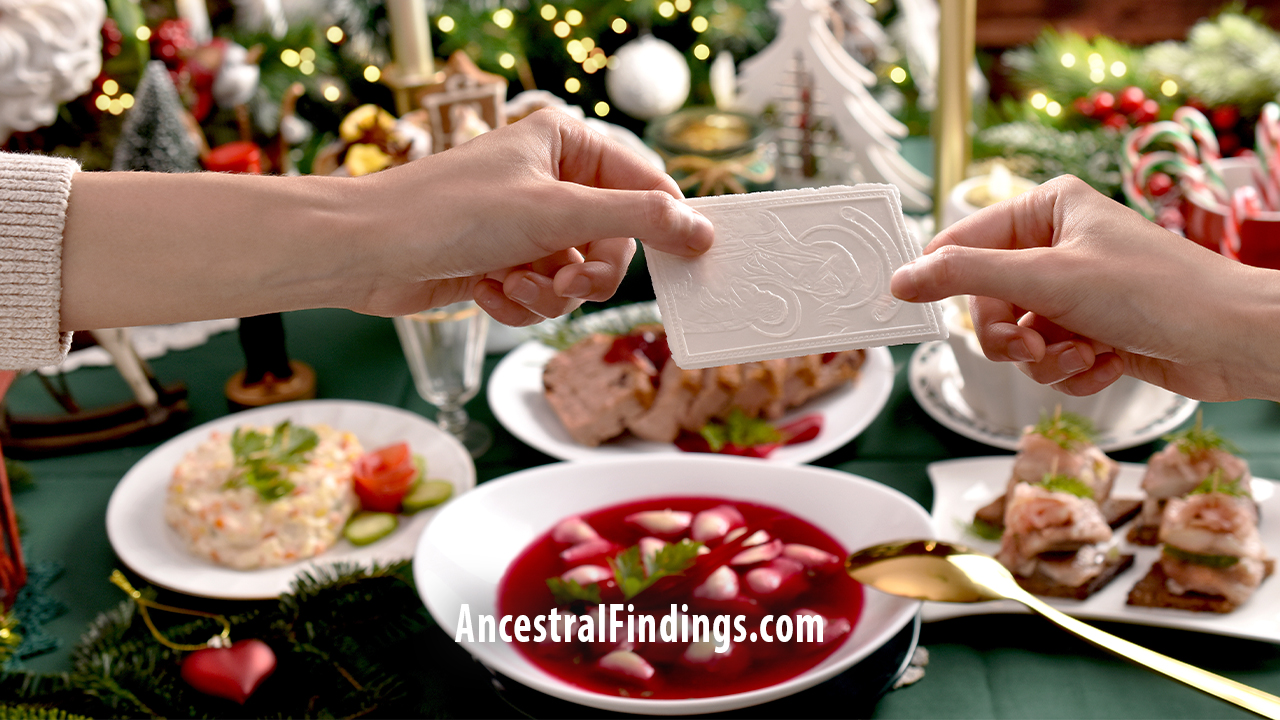
Christmas Eve, or Consoada, forms the emotional center of the Portuguese holiday season. The night carries a sense of warmth that families remember long after the season ends. Dinner on this night has a tone of calm and familiarity, shaped more by presence than by extravagance. Bacalhau, the salted cod treasured throughout Portuguese cooking, appears in countless households, often simmered gently with potatoes, cabbage, and olive oil. Other regions prepare dishes tied closely to their local history, such as octopus or seafood linked to fishing communities. Regardless of the dish, the meal brings families together in a way that goes beyond food. It represents continuity—an unbroken line reaching back through time.
Some families place an empty chair at the table to honor loved ones who have passed away, treating their memory as part of the evening. This gesture, kept alive by many immigrant families in the United States, reflects the belief that no one is forgotten on Consoada. The atmosphere remains quiet and thoughtful, with conversations drifting naturally between stories of past Christmases and hopes for the year ahead.
After dinner, the night begins to take on a sacred tone as families prepare to attend Missa do Galo, the Midnight Mass that marks the beginning of Christmas. Churches glow warmly inside, decorated with simple greenery and lit by candles that flicker softly in the dim interior. The Mass’s name, Missa do Galo, draws from an old belief that a rooster crowed at the moment Christ was born. That image, humble and touching, has followed Portuguese families for centuries, adding to the sense of intimacy that surrounds the service. Choirs sing familiar hymns, generations gather side by side, and the story of the Nativity is told once again in words that have anchored the season for hundreds of years.
The walk home after Mass often becomes one of the most vivid memories of the holiday. Streets lie quiet, with only the occasional lantern or distant church bell breaking the silence. Families sometimes speak in hushed voices, not wanting to disturb the peacefulness of the night. When they arrive home, the final moment of Consoada takes place: the placement of the Baby Jesus into the presépio. This gesture, small and gentle, signals Christmas has arrived. For many families, especially those who later immigrated, this moment became the part of Christmas they guarded most closely.
Christmas Day: A Warm and Restful Celebration
Christmas Day brings a different energy to the season. After the anticipation and reverence of Consoada, the day itself offers comfort, warmth, and time spent with loved ones. Families gather for a midday meal that showcases the best of regional cooking. Northern regions often prepare hearty dishes that have sustained families through cold winters, featuring roasted meats, winter vegetables, and recipes preserved in rural households. In southern regions such as the Alentejo, meals highlight the area’s wheat fields, olive groves, and long tradition of country cooking. Along the coast, meals may draw on seafood traditions shaped by generations who lived near the Atlantic.
Portuguese sweets take center stage on Christmas Day. Many holiday desserts come from convent traditions where nuns mastered the art of making rich pastries using simple ingredients such as eggs, sugar, and almonds. Families prepare filhoses, azevias filled with sweet chickpea or pumpkin paste, sonhos that rise lightly in hot oil, and broas that carry the warmth of cinnamon. Bolo-rei, the ring-shaped cake adorned with colorful fruits, makes its appearance as the first sign that Epiphany is approaching. Each treat carries a story, often tied to the region or the home where the recipe was first written down.
Christmas Day in Portugal does not rush. Families talk for hours, visit relatives, and enjoy the comfort of being with people who share the same memories and traditions. The feeling is one of closeness rather than excitement. Many Portuguese immigrants continued to treat Christmas Day in this way, preserving the rhythm of gathering, eating, resting, and simply being together.
The Journey Toward Epiphany
Portugal’s Christmas season extends naturally toward Epiphany on January 6, a day that honors the arrival of the Magi. By the time Epiphany approaches, bolo-rei has become a familiar part of every household. Families gather to share slices of the sweet bread, searching for the small charm baked inside. Children delight in discovering it, and adults often tease each other about who will find the bean traditionally tucked into the dough.
In some regions, especially small towns and villages, groups of singers go door to door performing janeiras during early January. Their songs carry well-wishes for the coming year, accompanied by simple instruments and harmonies shaped by local tradition. These visits help maintain the sense of community that has anchored Portuguese life for centuries. Churches hold services that honor the journey of the Wise Men, bringing the season to a close with a sense of meaning that ties back to the beginning of Advent.
For families tracing Portuguese ancestry, Epiphany customs hold valuable insights. Many immigrant households kept the practice of giving small gifts on January 6 or baking bolo-rei each year. These traditions survived because they carried deep meaning and were easy to transport, even when families settled far from home.
Conclusion
Christmas in Portugal unfolds with a steadiness that mirrors the country’s character: warm, grounded, and full of meaning. From the presépio that becomes a small world of its own to the calm beauty of Consoada, the season brings families together through memory, faith, and shared history. Midnight Mass offers a moment that has anchored generations, while Christmas Day and Epiphany continue the season in a way that honors both tradition and togetherness.
For readers exploring Portuguese roots, these customs reveal how ancestors once moved through the season—how they cooked, gathered, prayed, and passed their stories forward. Christmas in Portugal continues to shine through these moments, connecting families across time and distance.