Today, let’s step into Ukraine during Christmas.
Ukraine is a country where Christianity has been part of daily life for more than a thousand years. In the year 988, the rulers of Kyivan Rus accepted Christianity, and from that point on, Christian worship became part of how families lived, worked, and marked the year. Christmas grew out of that long history, shaped by church life and home life together.
Because of this, Christmas in Ukraine is not something that appeared later or was added on. It has always been there. The birth of Christ has been remembered in churches, villages, and homes for centuries.
Ukraine follows the Julian calendar for church holidays, which is why Christmas Day falls on January 7. The church has used this calendar for a very long time. Keeping it meant that Christmas remained closely tied to church tradition rather than changing with modern calendars. For many families, this helped keep the holiday centered on worship rather than schedules.
Preparation for Christmas begins weeks before the holiday itself.
During this time, many families observe a fast. Meat and dairy foods are avoided. This practice goes back hundreds of years. The fast was meant to prepare people not only physically but also spiritually. By eating more simply, people were reminded that Christmas was approaching and that it mattered.
This time of preparation was also used for prayer and for attending church. In villages, people attended services more often during this season. In homes, families talked about the coming holiday and what it meant. Children learned what Christmas was long before the day arrived.
As Christmas gets closer, homes are cleaned. This was done carefully and thoroughly. Cleaning the house was not just practical; it was essential. It was seen as part of getting ready. The home was being prepared for Christmas in the same way the family prepared itself.
Food planning also begins early. Many of the dishes prepared for Christmas are traditional and only made once a year. Recipes are passed down from parents to children. In the past, these recipes were not written down. They were learned by watching and helping.
Christmas Eve is the most important day of the season.
The entire day is spent preparing. Food is simmered. Nothing is rushed. The Christmas Eve meal does not begin at a particular time on the clock. It starts when the first star appears in the sky.
Families wait together and watch for it.
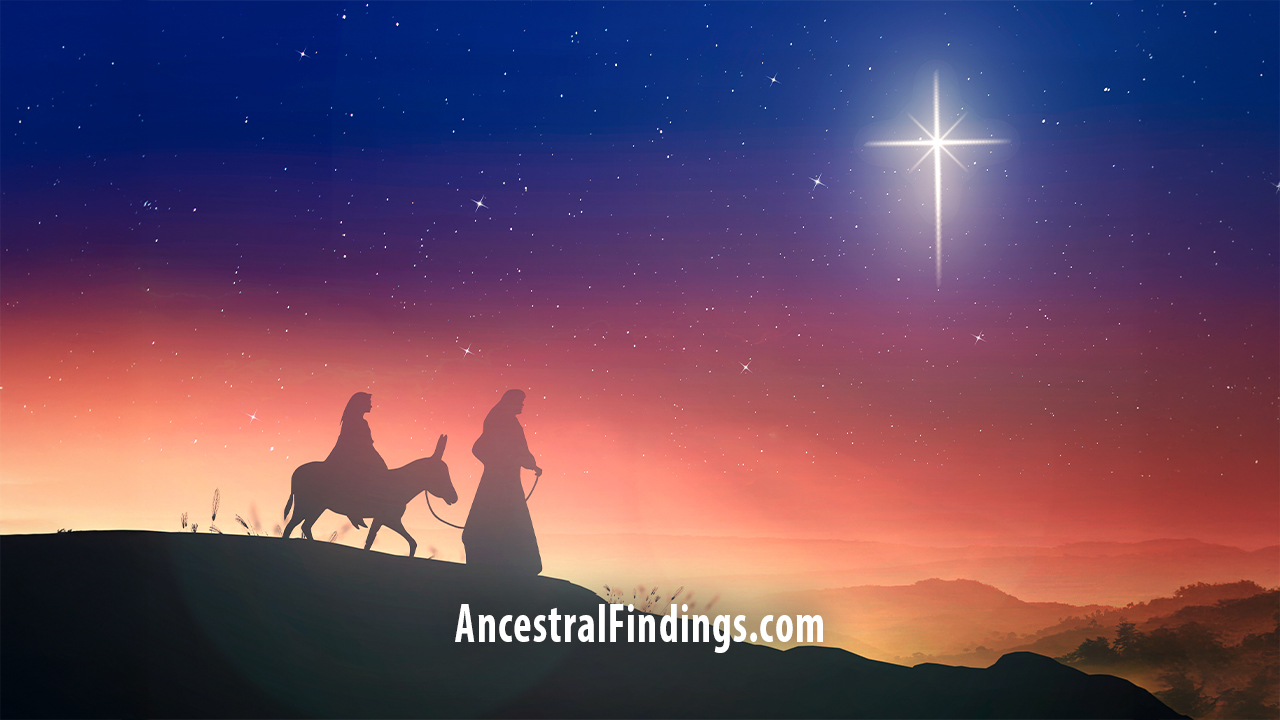
This star is important because it points back to the Star of Bethlehem. Just as the star guided people to Christ at His birth, Ukrainian families still wait for a star before beginning their celebration.
When the star is seen, the family gathers at the table. A prayer is said before the meal begins. Often, the oldest person in the household leads this prayer. Christ is thanked for His birth, and God is thanked for bringing everyone together.
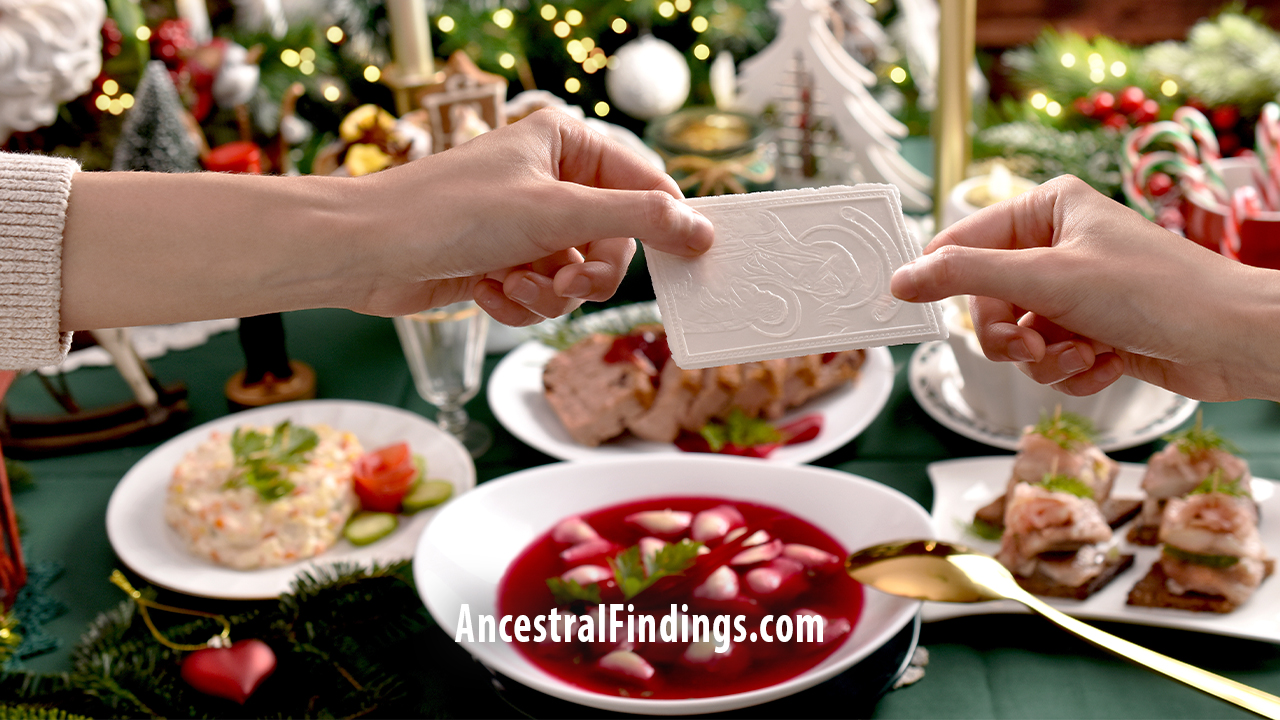
The Christmas Eve meal includes twelve dishes. The number twelve represents the twelve apostles. This has been part of the tradition for generations.
The dishes are meatless because the fast has not yet ended. The food is simple but meaningful.
One dish always holds a special place. It is called kutia.
Kutia is made from wheat berries mixed with honey, poppy seeds, and sometimes nuts. It is usually the first dish eaten. Wheat was a common crop in Ukraine and symbolized life and nourishment. Honey added sweetness and was valued because it was not always easy to get.
Kutia is not only eaten at Christmas. It also appears at weddings and funerals. Because of this, it connects Christmas to the full span of life. At Christmas, it reminds families that Christ’s birth is connected to life, death, and hope beyond both.
Other dishes are served as well. These often include borscht made without meat, cabbage rolls filled with grains or mushrooms, fish dishes, and dumplings called varenyky. Every family prepares these foods a little differently, depending on region and tradition.
The meal is shared slowly. People talk. They remember family members who are not present. No one is in a hurry to finish.
In many homes, a didukh is placed in a special spot. A didukh is a bundle of wheat stalks tied together. It represents the harvest and also honors ancestors. It reminds families of earlier generations who worked the land and kept these traditions alive.
After the meal, attention often turns outward.
Groups of carolers go from house to house singing Christmas songs called kolyadky. These carols tell the story of Christ’s birth. They are not just songs about winter or celebration. They speak directly about the Nativity.
The carolers often carry a large star on a pole. This star symbolizes the Star of Bethlehem and clarifies the song’s meaning.
When carolers arrive at a home, they sing. The family listens. Afterward, the carolers are given food or treats. This exchange builds community and reminds neighbors that Christmas is shared, not kept to oneself.
Church services are a central part of Christmas in Ukraine.
Christmas services include Scripture readings, prayers, and singing. The focus is on the birth of Christ and what it means that God came into the world as a child. These services often last several hours. In many churches, people stand during much of the service.
The length of the service reflects how important Christmas is. Worship is not rushed. Christ’s birth is given time and attention.
These traditions became even more critical during difficult periods in Ukraine’s history.
During the Soviet era, religious practice was discouraged or forbidden. Churches were closed or turned into other buildings. Public celebration of Christmas was not allowed.
Even so, families continued to observe Christmas at home.
Prayers were said quietly. Carols were sung softly. The Christmas Eve meal was still prepared. Parents taught their children about Christ’s birth even when it was risky.
Because these traditions were practiced at home, they survived.
Christmas did not depend on public events or decorations. It depended on families who remembered and continued what they had been taught.
When Christmas Day arrives, the fast ends.
Meat dishes return to the table. Families visit one another. Children receive gifts. These gifts are often simple, but they are given with care. The joy of Christmas Day grows out of the serious preparation that came before it.
For Ukrainians who moved to other countries, Christmas traditions often remained important. In Ukrainian communities around the world, churches still hold Christmas services, and families still prepare traditional meals. Even when other customs change, Christmas remains a strong connection to faith and heritage.
In recent years, Christmas traditions have taken on added meaning for many Ukrainians. During times of hardship and uncertainty, the story of Christ’s birth offers hope. God entered the world in a time of difficulty, not comfort. That truth has remained steady for centuries.
In Ukraine, Christmas is not about creating a mood or a feeling. It is about remembering something that happened.
Christ was born.
Families gather to remember that event, to pray, to share a meal, and to pass the story on to the next generation. That is how Christmas has been celebrated in Ukraine for hundreds of years.
That is the heart of Ukrainian Christmas traditions.