Norway enters December with early sunsets, cold mornings, and towns covered in snow. Families across the country settle into routines that feel steady and comforting. The winter can be long, so people bring warmth into their homes. Windows glow with lights, ovens fill with baked goods, and families take out decorations that they store away the rest of the year. The season feels more like a shared tradition than a single holiday, and it grows day by day through simple moments.
Most families begin getting ready weeks before Christmas. Snow often falls early, so streets look bright and clean as December starts. Some families visit small winter markets. Others stay home to set up lights and prepare for the season ahead. Children begin talking about the customs they look forward to most. Adults make lists for meals, gifts, and gatherings. The long nights create an easy pace that helps everyone slow down and settle into winter.
In the countryside, families sometimes enjoy the quiet sound of snow falling outside their windows. In the cities, people walk past shops decorated with wreaths, lights, and small trees. Norway’s winter creates a backdrop that shapes the whole season. It carries people from the first days of December to the weeks that follow Christmas Day.
Small Traditions That Build Toward Christmas
As December settles in, families start baking. Many homes prepare cookies that have been part of Norwegian Christmas for generations. Children take part by cutting shapes from dough or adding sugar decorations on top. Some families follow recipes kept in old notebooks. Others use modern versions. Either way, the kitchen becomes busy and warm.
Another common tradition is placing small gifts into Advent calendars. Each day, children open one door to reveal candy or a small surprise. The surprise is simple, but the daily routine adds excitement to the month. It gives families a sense of progress as they move toward Christmas Eve.
Homes begin to smell like oranges and cloves as people make small decorations using fruit and spices. Pine branches are added near windows and doors. These decorations are easy to make and bring a clean, fresh scent into the home.
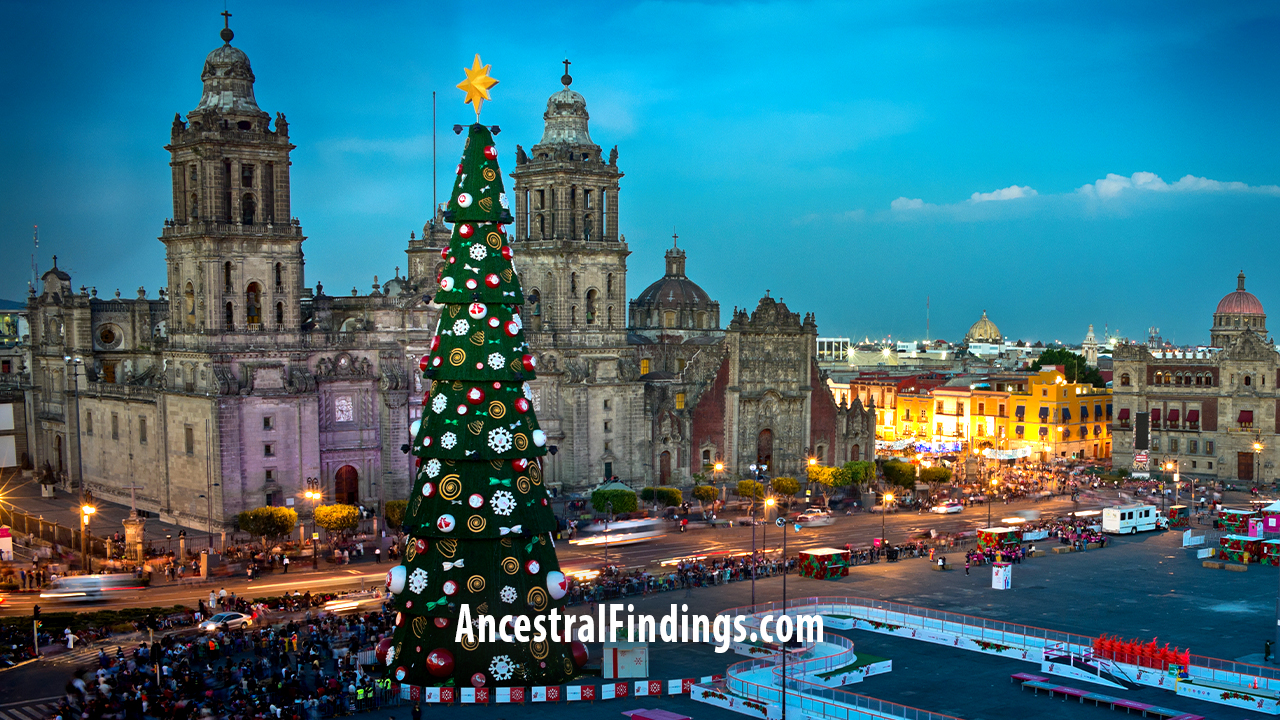
Norway also has a strong tradition of gathering outdoors during early December. In many towns, people come together to watch the lighting of a large Christmas tree in the town center. Children attend with their families. Everyone sings, listens to music, and enjoys warm drinks. These outdoor gatherings help bring light to the dark winter evenings, and the community becomes part of the holiday feeling.
As the month continues, families take time to visit friends, plan meals, and prepare their homes for the main celebration. December may be cold, but the season feels full because of these small traditions.
A Look at St. Lucia Day
Norway observes St. Lucia Day on December 13, and this day adds a soft glow to the season. Children in schools often dress in white robes for a small procession. One child represents Lucia, wearing a wreath with lights. The group sings traditional songs while carrying candles. Parents and teachers watch as children walk through the room with gentle steps.
Families sometimes hold their own small St. Lucia traditions at home. They enjoy sweet saffron buns shaped in curls and spirals. These buns appear only during December, so people look forward to them each year. The day helps bring light into the darkest part of winter, and it stands out as one of the simplest but most loved moments of the season.
The Days Leading to Christmas Eve
As Christmas gets closer, many Norwegian homes become busy. Families finish shopping, wrap gifts, and prepare their main holiday foods. Children make crafts at school and bring them home to place on tables or windowsills. Parents clean the house, buy firewood, and set out decorations that will stay in place through New Year.
Some families take part in older customs. In certain areas, people bring out straw ornaments shaped like animals or stars. These ornaments come from farm traditions that go back many generations. Even families who no longer live on farms keep these decorations because they connect them to earlier times.
The Norwegian Christmas season has a steady feeling. People enjoy gathering indoors, talking, baking, and preparing for the special meals ahead. The long nights outside make the indoors feel warm and inviting. These days before Christmas Eve create a sense of closeness in many homes.
Christmas Eve and Family Traditions
Christmas Eve is the center of the holiday in Norway. Most people view December 24 as the most important day of the season. The morning starts quietly. Children often watch holiday programs on television. Adults prepare food and finish setting the table for the evening meal.
Many families attend church before dinner. Churches are warm inside, lit with candles, and filled with music. People sit together and enjoy carols that they have sung for years. The service helps set the tone for the evening.
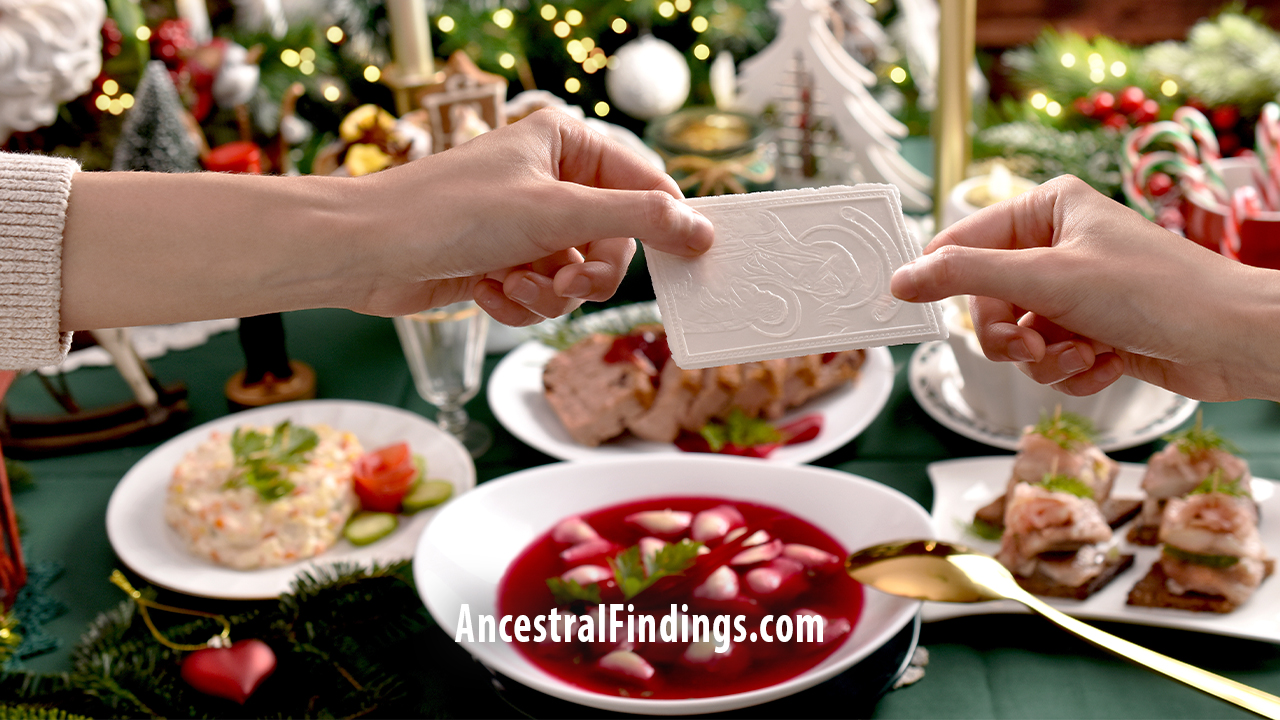
Back at home, the Christmas Eve meal begins. It is one of the most memorable parts of Norwegian Christmas. Different regions serve different dishes, and families follow habits passed down through generations. Some homes serve roasted pork ribs. Others prepare dried fish dishes or lamb ribs that have been enjoyed for centuries. Potatoes, cabbage dishes, and sauces fill the table. The meal is long and comforting. Families enjoy sitting together while the snow falls outside.
After dinner, families often move to the living room to open presents. Children might not wait long before this part of the night begins. A common tradition involves a Christmas figure known as the Julenisse. This character is tied to old Norwegian stories about small beings who lived on farms and watched over the household. Over time, the Julenisse became connected with gift giving. In many homes, someone dresses up for a short visit, bringing gifts for children in a fun and simple way.
Families take their time opening gifts. The room is warm, the lights are soft, and children enjoy each present. Adults talk, laugh, and enjoy the moment. Christmas Eve in Norway is slow and cozy. It is a night people look forward to all year.
Christmas Day and the Calm After the Celebration
Christmas Day is much quieter than Christmas Eve. Most families stay home. They rest, eat leftovers, and enjoy a late breakfast. Children play with new toys or read new books. Adults take time to relax after the long night before.
Some families visit relatives or invite people over for a small meal. Others stay indoors and enjoy simple activities. Watching movies, playing games, or taking a walk through the snow are all common. The day feels peaceful. It has none of the busy energy of Christmas Eve. Instead, it gives everyone time to slow down.
In many towns, the streets are quiet. Shops close. Families enjoy the stillness. The quiet nature of Christmas Day has been part of Norwegian life for generations.
The Days Between Christmas and New Year
The days between Christmas and New Year create their own kind of break. Schools are closed. Many adults take time off work. Families visit relatives or travel to the countryside for a few days. Some homes light candles each night. Others spend evenings watching holiday programs or making simple meals together.
Children enjoy playing outdoors if the weather allows. Sledding, skiing, and building snow structures fill many winter afternoons. Indoors, people drink warm beverages, enjoy leftovers, and stay close to the fireplace.
Norway’s winter makes this part of the season feel calm and steady. People settle into routines that give them a sense of rest before the new year begins.
New Year and the Season’s Closing Days
New Year’s Eve brings more activity. Families gather for dinner and enjoy fireworks later in the night. Some watch public displays in their town or city. Others enjoy fireworks from their own home. Children stay up later than usual and enjoy the excitement of the countdown.
New Year’s Day is quieter. Families stay indoors, enjoy leftovers, or take a walk outdoors. Decorations often remain in place through the first week of January. Homes feel warm and lived in after weeks of gatherings.
The season continues until Epiphany in early January. Once that day passes, families begin taking down decorations and returning to winter routines. Even as decorations go back into storage, the season’s memories stay fresh. People remember Christmas Eve dinners, snowy walks, St. Lucia songs, and long evenings spent together.
Family History and Norwegian Customs
People exploring their family history often discover that ancestors from Norway carried many of these customs with them when they moved to new places. Some brought recipes. Some brought the habit of gathering on Christmas Eve. Others brought small traditions such as Advent candles or star-shaped window lights. These customs settled into new homes and became part of family life for later generations.
Christmas in Norway continues to be shaped by winter weather, family gatherings, church services, long held customs, and a steady rhythm that moves from early December through the start of the new year. The season has stayed meaningful because it brings families together, brightens the darkest weeks of winter, and creates memories that last long after the snow melts.