Christmas in Scotland has a long history shaped by home life, local customs, weather, church traditions, and the slow return of daylight after long winter nights. Scotland is known for cold Decembers, early sunsets, and quiet towns lit by warm windows. These things give the season its feeling. Families have passed down habits for hundreds of years. Some came from church. Others came from farming life. Others grew from the way people gathered each winter to stay warm and stay connected.
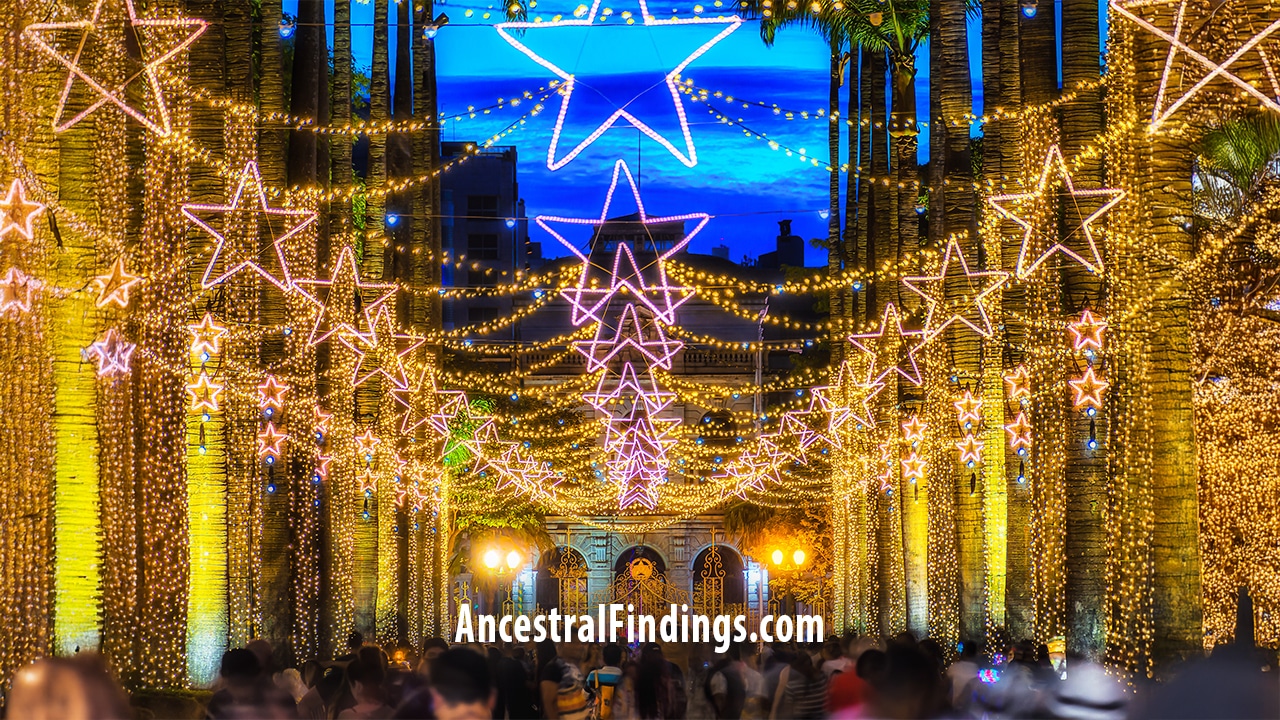
The weeks before Christmas are filled with steady routines. People decorate their homes, listen to carols, attend church events, and walk through towns lined with small shops. Many areas place lights along the streets to brighten the long, dark evenings. Some villages host small outdoor markets where people buy simple gifts, baked goods, and warm drinks. Scotland’s winter weather often brings cold winds or snow, and families enjoy spending time together indoors as they prepare for the holiday.
Christmas in Scotland feels calm and steady. Families and communities look forward to the season because it brings a break from work, school, and long hours outdoors. People gather in warm rooms, share meals, and enjoy seeing loved ones they may not see often during the year. The season builds slowly through December. Each week offers small moments of togetherness, guiding families into Christmas Eve.
The Days Leading Up to Christmas
The days before Christmas are filled with simple customs. Children take part in small activities at school or church. Many families enjoy Advent calendars with chocolates or small surprises inside. Homes bring out decorations early in December. Some decorate with simple greenery. Others add lights to brighten the evenings, since the sun sets early in Scotland during winter.
Baking is an important part of the lead-up to Christmas. Scottish homes often prepare fruit cakes, shortbread, oat cookies, and small pies filled with sweet spiced fruit. These treats carry memories for many families and have roots in older European traditions. For example, Christmas pudding, a long-held favorite, originated from medieval European customs, and Advent calendars became popular in the 19th century as a way to count down to Christmas.
Many towns host small concerts, church choirs, and local events. People gather to listen, sing, and enjoy the season. Churches often hold services during Advent. These services help families slow down and think about the meaning of the holiday. Homes fill with small tasks as people wrap gifts, plan meals, and prepare for visitors.
In some parts of Scotland, such as the Highlands and Lowlands, Christmas markets and celebrations vary slightly. For example, Edinburgh’s Christmas market is one of the best known, sitting near the city center with lights, stalls, warm drinks, handmade items, and rides for children. In rural areas, outdoor markets may be smaller or less frequent, but local communities still enjoy festive gatherings.
The days before Christmas bring families together in simple ways. People take walks through snowy parks or quiet country paths. Children help hang lights on trees. Homes start to feel full and warm as Christmas Eve approaches.
Christmas Eve and Long Held Traditions
Christmas Eve in Scotland is a quiet but meaningful night. In many homes, families gather for a calm meal and time together. Some visit relatives, while others cherish small family traditions unique to their household. The meal on Christmas Eve, though smaller than Christmas Day, includes special dishes like soups, stews, roasted meats, fish, vegetables, and baked goods that evoke the warmth of winter traditions.
Church plays a strong role in Christmas Eve for many Scottish families. Churches across the country hold evening services. Some hold candlelight services with carols. Others hold late night services that lead into Christmas Day. The sound of voices singing in old stone buildings is a steady part of the season. After the service, families return home to rest or spend time together.
Children often enjoy placing their stockings near the fireplace or at the end of their beds. This simple tradition has lasted through many generations. Children go to bed early, excited for the morning. Parents take the time to prepare small gifts and set them in place for children to find when they wake.
Some families enjoy telling stories from earlier years. Older relatives may talk about how Christmas was celebratedwhen they were young. These stories become part of the season. Children learn about customs that may no longer be common but still hold a place in the family’s memory.
Christmas Eve in Scotland has an easy pace. Families enjoy the quiet. The long nights and cold air outside make the home feel warm and close. The night prepares everyone for the excitement of the next morning.
Christmas Day and the Warmth of Home
Christmas Day in Scotland is filled with family warmth. Children wake early to open their gifts, filling homes with laughter and the rustling of wrapping paper. Parents enjoy watching children discover their presents.
Relatives visit or call to share greetings, creating a sense of closeness and comfort that defines the holiday.
The Christmas meal is one of the most important parts of the day. Families prepare large meals that may include roasted turkey, beef, ham, or chicken. Vegetables such as potatoes, carrots, and parsnips often appear on the table. Stuffing, gravy, and sauces add flavor to the meal. Many families also prepare roasted brussels sprouts, which have become a common part of Christmas in Scotland.
Desserts make the meal complete. Christmas pudding is a long held favorite. It is often steamed and filled with fruit and spices. Some families serve trifle, a layered dessert made with cake, custard, and fruit. Shortbread also appears, sometimes cut into special shapes for the holiday. Children often enjoy simple treats such as chocolates or small candies.
The afternoon of Christmas Day is calm. Families rest, watch movies, play games, or visit neighbors. Some people take walks through local parks or country roads. The air is cold but refreshing. Many enjoy the quiet that settles after the excitement of the morning.
Evening brings another chance to gather. Some families enjoy a second meal with lighter foods. Others simply spend time visiting and talking. Christmas Day in Scotland centers on home, family, and the steady comfort of being together indoors while winter settles outside.
The Days Between Christmas and New Year
In Scotland, the days between Christmas and New Year have their own steady feeling. This period is often called the festive break. Many people are off work or school. Families spend time visiting relatives, enjoying leftover food, and relaxing after the busy days earlier in the month. Homes remain decorated. Children play with new toys. Adults enjoy time to read, rest, or talk with loved ones.
Shops run sales during this time. Towns may have small events or concerts. The weather is often cold, and some areas see snow, which adds to the winter mood. People enjoy gathering for simple activities, such as taking a walk, watching lights in the town center, or stopping by local markets that remain open through the end of the month.
This period leads into one of Scotland’s most important celebrations: Hogmanay.
Hogmanay and the New Year
Hogmanay is the Scottish name for New Year. It is one of the biggest celebrations in the country. Many families and towns place as much importance on Hogmanay as they do on Christmas. The celebration has deep history and older customs linked to winter, the ending of the year, and the hope for the year ahead.
Edinburgh is known for its large Hogmanay celebration. Fireworks, concerts, and street gatherings bring people together from across Scotland and around the world. Other towns and villages also hold smaller gatherings with music, singing, and community events.
One of the most well known parts of Hogmanay is “first footing.” This custom involves being the first person to enter a friend’s or neighbor’s home after midnight. The first visitor often brings small gifts such as shortbread, fruit cake, or coal for the fire in older times. This custom is meant to bring good fortune and warmth for the coming year. Many families enjoy continuing this simple tradition.
Another custom in some parts of Scotland includes house cleaning on the last day of December. Families clean and prepare the home so they can start the new year fresh. This is done not with stress but with a sense of completion and readiness.
Hogmanay celebrations may last into the early morning. Music, dancing, and time with loved ones mark the night. These customs add another layer to the holiday season in Scotland.
Epiphany and the End of the Season
Although Hogmanay is the largest event after Christmas, the season continues until early January with Epiphany. Some families attend church services or enjoy a quiet meal at home. Decorations may remain in place until this time. Once January settles in, families take down the decorations and return to regular routines.
The season as a whole brings families together in warm rooms while winter settles outside. Christmas, followed by the festive break and Hogmanay, creates a long stretch of time where people in Scotland focus on home, family, and steady traditions.
Family History and Scottish Customs
People who explore their family history may find that ancestors from Scotland carried some of these customs with them when they moved to other countries. Some brought recipes. Some brought the way they prepared for Christmas Eve. Others kept small habits linked to the days between Christmas and New Year. These customs settled into new homes and became part of family life far from Scotland.
Christmas in Scotland remains shaped by home life, church gatherings, winter weather, and customs passed from one generation to the next. The season moves from Advent through Christmas Eve, Christmas Day, the festive break, Hogmanay, and Epiphany. These steady customs give the season its shape and help families enjoy time together each winter.