Christmas in Sweden unfolds during one of the darkest times of the year. Days are short, nights are long, and much of the country sees only a few hours of daylight in December. These conditions gave shape to many Swedish Christmas customs. Families learned to bring light into their homes through candles, soft decorations, warm food, and long held habits passed down through generations.
The season begins in late November and builds slowly toward Christmas Eve. Homes decorate with star-shaped lights in windows, which brighten the early sunsets. Families place candles on tables and shelves to give the house a warm glow. Churches hold services during Advent, and towns host small events that help people enjoy the season even in the deep cold.
Sweden’s winter weather encourages families to gather indoors. People look forward to evenings spent together, warm drinks, quiet conversations, carols, and simple traditions that feel steady and calm. This slow build is a key part of Christmas in Sweden. Nothing feels rushed. Families enjoy each step, from Advent to Christmas Day, with a sense of rhythm shaped by the long Swedish winter.
The Beginning of the Season
Advent has a strong place in Swedish homes. Families often mark the four weeks before Christmas by lighting one candle each Sunday. These candles are set into a simple holder, and children enjoy watching the number of lit candles grow each week. The soft light creates a peaceful feeling in the home while the days continue to shorten outside.
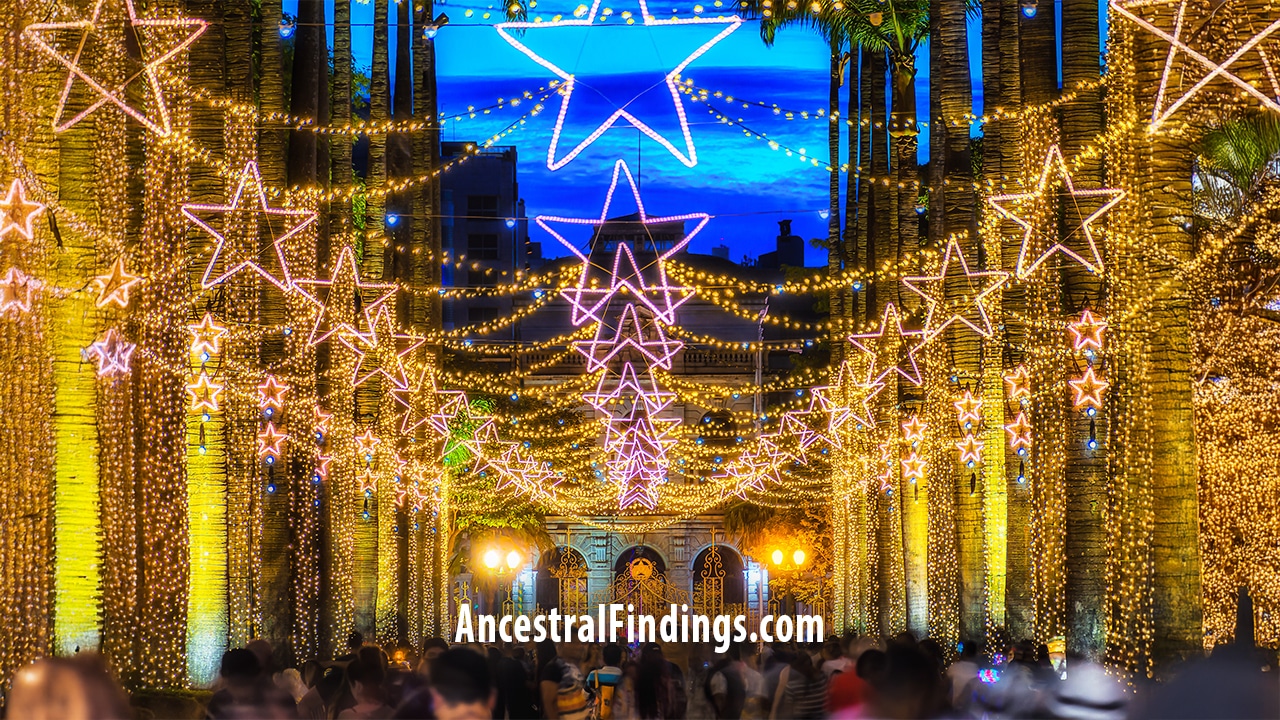
The star-shaped lights that appear in Swedish windows each December are one of the most recognizable parts of the season. These stars spread across towns and cities, appearing on nearly every street. They brighten homes and bring comfort during the dark winter mornings and evenings. Many families have used the same star for years, passing it down through generations.
Another early tradition is the Advent calendar. Children open one door each day beginning on December first. Each door holds a treat, picture, or small surprise. Parents enjoy watching their children’s excitement as the calendar moves closer to Christmas Eve.
During Advent, many communities host concerts and church events. Choirs sing traditional songs, and families enjoy attending these gatherings. The music, candles, and steady pace help build excitement in a simple and meaningful way.
Baking begins early in the season as well. Swedish kitchens fill with the smell of saffron buns, ginger cookies, and sweet breads that are saved for December celebrations. These baked goods become part of family life during the season. Children learn to roll dough and cut shapes for cookies. Parents teach them recipes passed down from grandparents and great grandparents.
All of these early customs help families prepare for the main events of Christmas. By the time Christmas Eve arrives, homes feel ready, warm, and full of tradition.
St. Lucia Day
One of Sweden’s most important December traditions is St. Lucia Day, celebrated on December 13. This day brings light into the dark weeks of winter. In many families, a daughter dresses in a white gown with a red ribbon tied around the waist. She wears a crown holding candles, often electric for safety. She walks through the home carrying a tray of saffron buns called lussekatter, offering them to her family.
Schools also take part in St. Lucia celebrations. Children form a procession with one girl representing Lucia, followed by boys wearing tall paper hats decorated with stars. Together they sing songs about light and the coming Christmas season. Parents and grandparents attend these school programs to watch the children sing.
Churches and towns also host St. Lucia events. Choirs dressed in white gowns sing traditional songs in candlelit settings. The focus of the day is light and the hope it brings during a long winter. St. Lucia Day sets a joyful tone for the rest of December, and many families consider it the true beginning of the Christmas season.
Christmas Eve and Swedish Traditions
Christmas Eve is the most important part of the holiday in Sweden. While Christmas Day is enjoyed, the deeper traditions and celebrations happen on December 24. Families spend the day preparing food, visiting relatives, and enjoying time together. The home becomes the center of activity.
One custom many families enjoy each year is watching a short television program that has been broadcast for many decades. It features a series of animated scenes and short clips. The program has become a steady part of Swedish Christmas. Families gather to watch it together, creating a shared moment that passes through generations.
The Christmas Eve meal is the highlight of the day. It is known for being generous and full of traditional foods. Many homes prepare a large spread called the Christmas table. This table may include ham, fish dishes, potatoes, meatballs, sausage, and breads. Some families add dishes from their own region or from older family recipes. The meal is long and enjoyed slowly, giving families time to talk and share stories.
A well known part of the Christmas table is the rice pudding served as a dessert. Sometimes a single almond is hidden in the bowl. The person who finds the almond is said to have good fortune in the coming year. Children always look forward to this moment.
After the meal, families may gather to open gifts. In some homes, someone dresses as the Christmas figure, known in Sweden as the Tomte. This figure comes from old stories about a small guardian who protects the home and farm. Over time, the Tomte became part of the Christmas tradition. In many families, a relative wears a simple costume and brings gifts for the children. The children enjoy this visit and the fun it brings to the evening.
Some families attend church on Christmas Eve. Services are often held earlier in the evening, giving people time to return home for the meal. Churches are decorated with candles and greenery, and the service includes carols, readings, and prayers. These gatherings help families focus on the meaning of the season.
The evening ends with calm time at home. Children enjoy their gifts. Adults spend time talking or watching the quiet snow fall outside. Christmas Eve holds a peaceful feeling that many Swedish families look forward to throughout the year.
Christmas Day and the Quiet of Winter
Christmas Day in Sweden is quiet. The rush of cooking and preparation is finished. Families take their time waking up and enjoying breakfast together. Many homes eat leftovers from the Christmas Eve meal. Children play with their gifts. Adults rest after the long evening.
Some families take a walk outdoors. Even in the cold, a winter walk is a steady part of Swedish life. The air is crisp, and the snow creates a soft landscape. People enjoy seeing the lights still glowing in windows as they walk past homes in the town or village.
Visitors may come later in the day. Some stop by to share leftover treats or exchange greetings. Others stay home and enjoy a restful day. Christmas Day remains simple and slow, allowing families to enjoy time together in a steady and relaxed way.
The Days Between Christmas and New Year
After Christmas Day, the season continues. Schools are closed, and many adults have time away from work. These days give families a chance to spend time together without the rush of daily schedules. Homes stay decorated, and families enjoy leftovers, treats, and warm drinks.
Many towns host small events. Some people visit relatives in other parts of the country. Others enjoy quiet time at home. The days between Christmas and New Year help bridge the two holidays, keeping the steady Christmas feeling in place.
New Year’s Eve brings its own traditions. Families gather again for meals, fireworks, and time together. Children enjoy the excitement of staying up late, and many towns hold public celebrations that bring people together.
Epiphany and the End of the Season
The Christmas season in Sweden continues until early January, when families celebrate Epiphany. Some homes keep decorations up until this date. Churches may hold services for the occasion. Once Epiphany passes, families slowly begin to take down decorations and return to regular routines.
Even after the decorations are put away, the memories of the season stay with families. Children remember St. Lucia Day at school. Adults remember long Christmas Eve meals. Everyone remembers the warm light that filled homes during the darkest weeks of winter.
Family History and Swedish Customs
People exploring their family history often find that ancestors from Sweden carried some of these customs with them when they moved to other countries. Some brought recipes. Others brought the habit of celebrating Christmas Eve as the main event. Others kept simple customs such as Advent candles or St. Lucia songs. These traditions settled into new homes and became part of family life far beyond Sweden.
Christmas in Sweden remains shaped by light, family, church, food, and customs passed down from one generation to the next. The season grows from Advent to Christmas Eve, Christmas Day, the days of rest that follow, and finally Epiphany. These steady customs give families something to look forward to each winter and create a warm season in the middle of the cold.