
Winner:
Charles Billingsley
You can sign up to get a notification when the next book giveaway starts.
Browse all Genealogy Gold Podcast Episodes
I have a new genealogy book giveaway for you, and this one turned out to be a very enjoyable read. To enter the free book offer, use the signup form below.
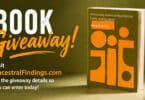
The book is Tracing Your Ancestors Using What They Left Behind: A Guide for Family Historians by Simon Wills.
I had actually planned to offer this book as a giveaway a few weeks ago, but some family things came up, and I was not able to make the change at the time. In the end, that delay worked out for the better because it gave me more time to sit with the book, look through it more carefully, and enjoy it more than I probably would have if I had rushed through it.
The more I looked through it, the more I felt this would be a helpful book for my readers, followers, and fellow genealogy friends.
What stood out to me right away is that this book approaches genealogy from a perspective that many family historians will appreciate. We spend a lot of time with census records, birth records, marriage records, death records, probate files, newspapers, military records, church records, and all the other usual sources. Those records are important, and we need them. But this book reminds us that family history clues can also be found in the physical things our ancestors left behind.
That is really the heart of this book.
Simon Wills takes objects that might seem ordinary at first and shows how they can lead to deeper family history research. A prayer book. Wartime postcards. A tobacco-related item. A journal. A bookmark. A portrait. These are not just old things sitting in a box or on a shelf. They can become starting points for research.
That is one of the things I liked most as I looked through the book. It encourages us to look at old family items with fresh eyes. Instead of simply saying, “That belonged to someone in the family,” it helps us ask better questions.
Who owned it?
Why was it saved?
Is there a name, inscription, date, place, dedication, address, or clue attached to it?
Does it connect to a person already in the family tree?
Could it lead us to a census record, a newspaper article, a military file, a parish record, a passenger list, a probate record, local history, or another source?
That way of thinking can make a real difference in genealogy.
I also liked that the book does not just talk about the idea in a general way. From the introduction and contents, you can see that each chapter follows a different object or group of objects and works through the clues. That gives the book the feel of historical detective work. You are watching an item with an incomplete story become connected to a real person, a real place, and a fuller account of someone’s life.
The chapter titles give you a good sense of the variety in the book. There are chapters such as The Princess and the Prayer Book, Postcards From the Front, The Captain’s Tobacco, Journal of a Nameless Traveller, A Hero’s Bookmark, Portrait of a Lady, and A Picture of Courage. Just looking through those sections made me think about how many different kinds of family clues can survive, even when the full story has been forgotten.
The postcard chapter especially caught my attention because so many of us have old postcards in family collections. Sometimes they may look like simple greetings or travel cards, but they can tell us quite a bit. A postcard can give us a place, a date, handwriting, a family connection, a travel clue, or a glimpse of what someone wanted to say at a certain moment. Wartime postcards can also connect us to service, separation, home, and survival.
The book also reminded me that even small scraps and ordinary items can matter. A bookmark with a name on it. A handwritten note tucked inside a book. A dedication in a prayer book. An object with an inscription. These may seem small at first, but they can lead a researcher down a path to records, places, and stories that might otherwise be missed.
One thing I appreciated is that the book includes research notes. That matters because this is not only a book of interesting stories. It also helps family historians consider how they might investigate an object or heirloom from their own family. That makes the book both practical and interesting.
Most of us probably have old family items tucked away somewhere. Maybe it is a photograph with no name written on the back. Maybe it is a Bible, letter, medal, postcard, diary, keepsake, piece of jewelry, old book, or household item that survived through the years. Sometimes we know it mattered to someone, but we do not know the story behind it.
This book is a good reminder that those things may still have something to say.
For me, one of the best parts of family history is when an ancestor starts to feel like a real person again. Records give us important facts, but objects can sometimes bring people a little closer. They can point to work, travel, faith, service, interests, relationships, daily life, and the small details that help us understand a person better.
That is why I think this book will be useful for many family historians. It encourages us to look around our own homes, family boxes, albums, and keepsakes and ask what clues may already be there.
This giveaway is for Tracing Your Ancestors Using What They Left Behind: A Guide for Family Historians by Simon Wills.
The last day to sign up for this free book offer is July 4 at midnight.
Good luck, and Happy Searching!
A Little About the Man Behind the Book
Whenever I read a genealogy book I enjoy, I usually end up doing the same thing. I start looking up the author.
Genealogy is personal. We spend so much time learning about the lives of our ancestors that it is natural to become curious about the people who help us tell those stories. After spending time with Tracing Your Ancestors Using What They Left Behind, I found myself wondering about Simon Wills and the experiences that led him to write a book like this.
The more I learned, the more interesting the story became.
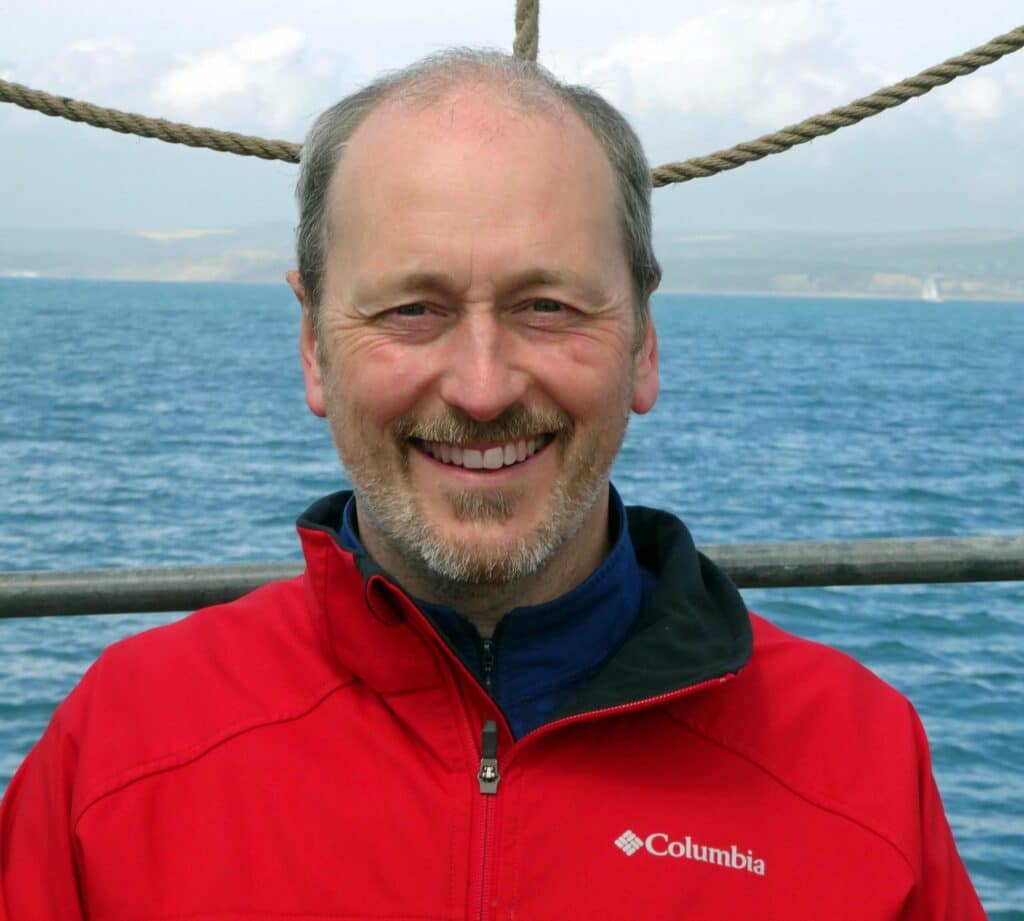
Dr. Simon Wills was a genealogist, historian, journalist, speaker, wildlife photographer, and researcher. He spent decades helping people understand the past and uncover the stories hidden in old records, photographs, heirlooms, and family traditions. He wrote for genealogy publications and contributed to Who Do You Think You Are? Magazine, worked with the television series, and gave presentations for organizations such as the BBC, The National Archives, and the National Trust.
What I found especially interesting was that genealogy was not his only passion. Simon also had a deep interest in maritime history, wildlife photography, health history, and the everyday lives of ordinary people. His books covered subjects ranging from seafaring ancestors and shipwrecks to the illnesses our ancestors faced and even the history of birds and trees. He had a remarkable ability to take subjects that might seem ordinary on the surface and reveal the human stories behind them.
One story about Simon stood out to me. He said his interest in family history began when his father told him stories about a great-grandfather who served as a lifeboat coxswain. As a teenager, he and his father started researching that ancestor together. That simple curiosity eventually grew into a lifelong passion that helped thousands of other family historians learn about their own families. (The Genealogist)
As I read this book, I think that background becomes obvious. Simon was not just interested in names, dates, and documents. He wanted to understand people. He wanted to know what they owned, what they carried with them, what they treasured, and what those things could tell us about their lives. That is exactly what makes this book so enjoyable to read.
Sadly, Dr. Simon Wills passed away in October 2024. The genealogy community lost a knowledgeable researcher and gifted storyteller, but his books continue to help family historians see their ancestors as real people rather than just entries in a family tree. (Who Do You Think You Are?)
After learning more about Simon’s life, I appreciated this book even more. It feels less like a research guide and more like a conversation with someone who genuinely loved history, loved family stories, and wanted to help others discover them for themselves.